

NOAA Great Lakes Region
NOAA


Official websites use .gov
A .gov website belongs to an official government organization in the United States.

Secure .gov websites use HTTPS
A lock () or https:// means you’ve safely connected to the .gov website. Share sensitive information only on official, secure websites.
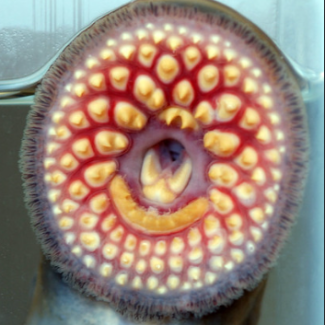
A team of experts from NOAA, Michigan Sea Grant and the University of Michigan have identified the top 10 most impactful aquatic invasive species in the Great Lakes. Comprehensive information on all invasives is available through the Great Lakes Aquatic Nonindigenous Species Information System (GLANSIS).
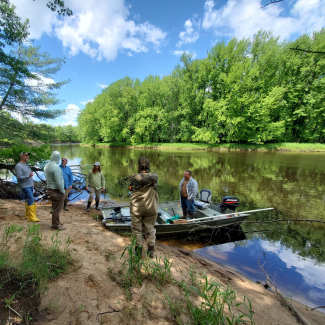
Projects to enhance the Peshtigo River, Pokegama Wetlands State Natural Area and Superior Municipal Forest, and Ozaukee County will stabilize streambanks, restore wetlands, minimize erosion, and enhance habitat for fish and other aquatic populations.
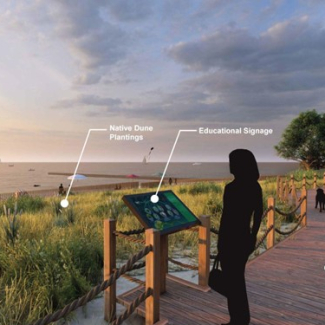
Read about 10 of NOAA's most recent success stories in implementing the Great Lakes Restoration Initiative.
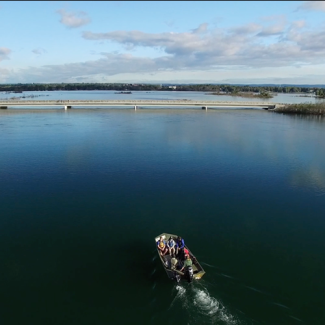
Transformational Habitat Restoration and Coastal Resilience Grants Closing date: April 16, 2025
Coastal Habitat Restoration and Resilience Grants for Tribes and Underserved Communities Closing date: May 12, 2025
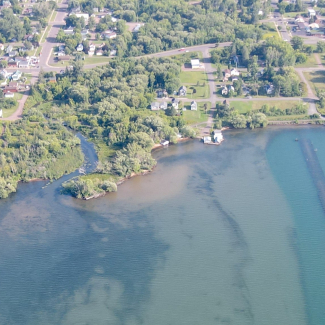
Ashland (WI), Green Bay (WI), Two Harbors (MN) and Oscoda Township (MI) have been selected for engineering and design support through the Initiative for Resilient Great Lakes Coasts, a collaborative program between the NOAA Office for Coastal Management and the Great Lakes and St. Lawrence Cities Initiative.
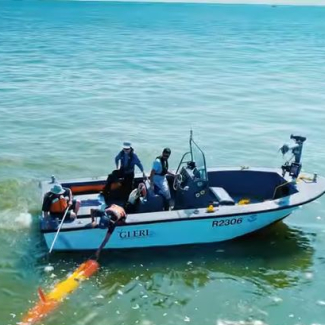
Check out this engaging video highlighting all the critical work that NOAA does in the Great Lakes.
Part of the Integrated Ocean Observing System, GLOS provides end-to-end data services that support science, policy, management, and industry in the U.S. and Canada.
This partnership between NOAA and the University of Wisconsin-Madison advances end-to-end support of meteorological satellite applications to improve forecasts and trend analyses.