Marine life

Our ocean, coasts, and estuaries are home to diverse living things. These organisms take many forms, from the tiniest single-celled plankton to the largest animal on Earth, the blue whale. Understanding the life cycles, habits, habitats, and inter-relationships of marine life contributes to our understanding of the planet as a whole. Human influences and reliance on these species, as well as changing environmental conditions, will determine the future health of these marine inhabitants. Toxic spills, oxygen-depleted dead zones, marine debris, increasing ocean temperatures, overfishing, and shoreline development are daily threats to marine life. Part of NOAA's mission is to help protect these organisms and their habitats.
Showing 6 of 6 Education Resource Collections
Welcome to noaa.gov

Aquatic food webs show how plants and animals are connected through feeding relationships. Tiny plants and algae get eaten by small animals, which in turn are eaten by larger animals, like fish and birds. Humans consume plants and animals from across the aquatic food web. Understanding these dynamic predator-prey relationships is key to supporting fish populations and maintaining healthy ecosystems so that we can all enjoy sustainable food supplies and a healthy environment.

Focus areas:
Welcome to noaa.gov

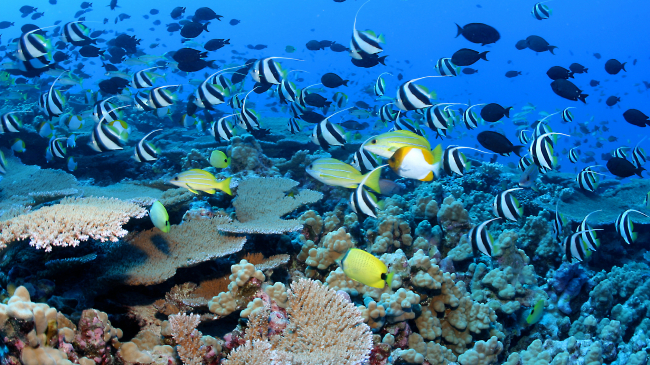
Coral reefs are some of the most diverse ecosystems in the world. Coral polyps, the animals primarily responsible for building reefs, can take many forms: large reef building colonies, graceful flowing fans, and even small, solitary organisms. Thousands of species of corals have been discovered; some live in warm, shallow, tropical seas and others in the cold, dark depths of the ocean.

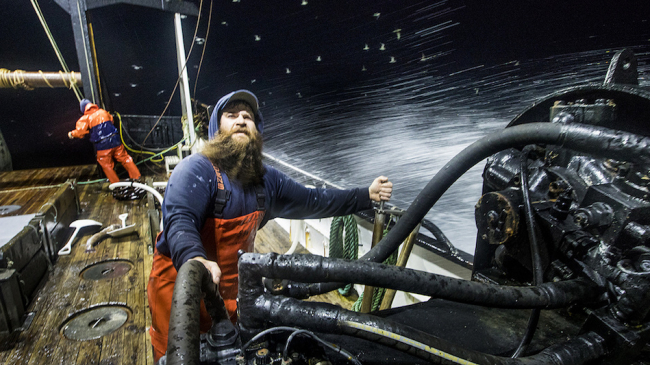
Seafood plays an essential role in feeding the world’s growing population. Healthy fish populations lead to healthy oceans and it's our responsibility to be a part of the solution. The resilience of our marine ecosystems and coastal communities depend on sustainable fisheries.

Focus areas:

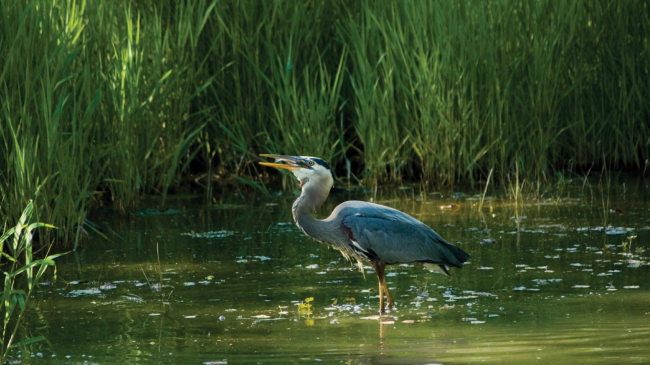
Estuaries are areas of water and shoreline where rivers meet the ocean or another large body of water, such as one of the Great Lakes. Organisms that live in estuaries must be adapted to these dynamic environments, where there are variations in water chemistry including salinity, as well as physical changes like the rise and fall of tides. Despite these challenges, estuaries are also very productive ecosystems. They receive nutrients from both bodies of water and can support a variety of life. Because of their access to food, water, and shipping routes, people often live near estuaries and can impact the health of the ecosystem.

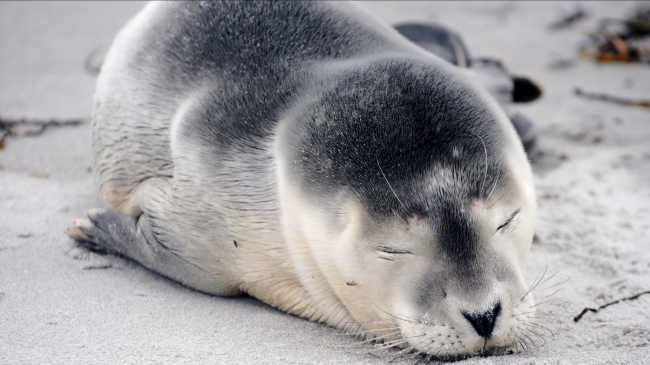
Marine mammals are found in marine ecosystems around the globe. They are a diverse group of mammals with unique physical adaptations that allow them to thrive in the marine environment with extreme temperatures, depths, pressure, and darkness. Marine mammals are classified into four different taxonomic groups: cetaceans (whales, dolphins, and porpoises), pinnipeds (seals, sea lions, and walruses), sirenians (manatees and dugongs), and marine fissipeds (polar bears and sea otters).

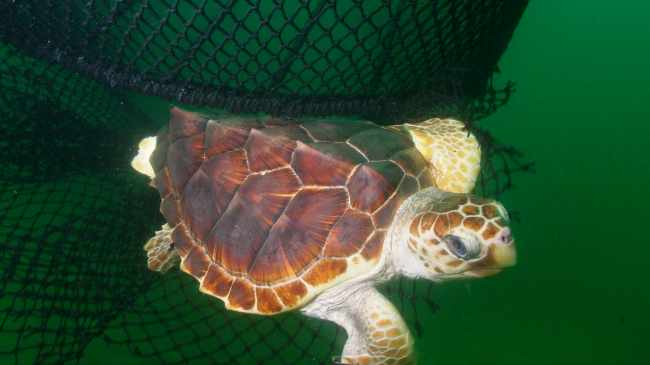
Sea turtles breathe air, like all reptiles, and have streamlined bodies with large flippers. They are well adapted to life in the ocean and inhabit tropical and subtropical ocean waters around the world. Of the seven species of sea turtles, six are found in U.S. waters; these include the green, hawksbill, Kemp's ridley, leatherback, loggerhead, and olive ridley.