




Advancing NOAA's mission through education
About
The NOAA Education Strategic Plan is a framework for collaboration across the NOAA education community and guides our evaluation efforts. The plan unites us under a common vision and mission.
The America COMPETES Act gives NOAA broad authority for educational activities and directs NOAA to develop a 20 year strategic plan. The plan is updated every five years. In a truly collaborative fashion, NOAA educators, staff, and leadership combined efforts with the broader education and resource management community, nongovernmental organizations, teachers, and interested citizens to produce these blueprints for NOAA’s future work in education.
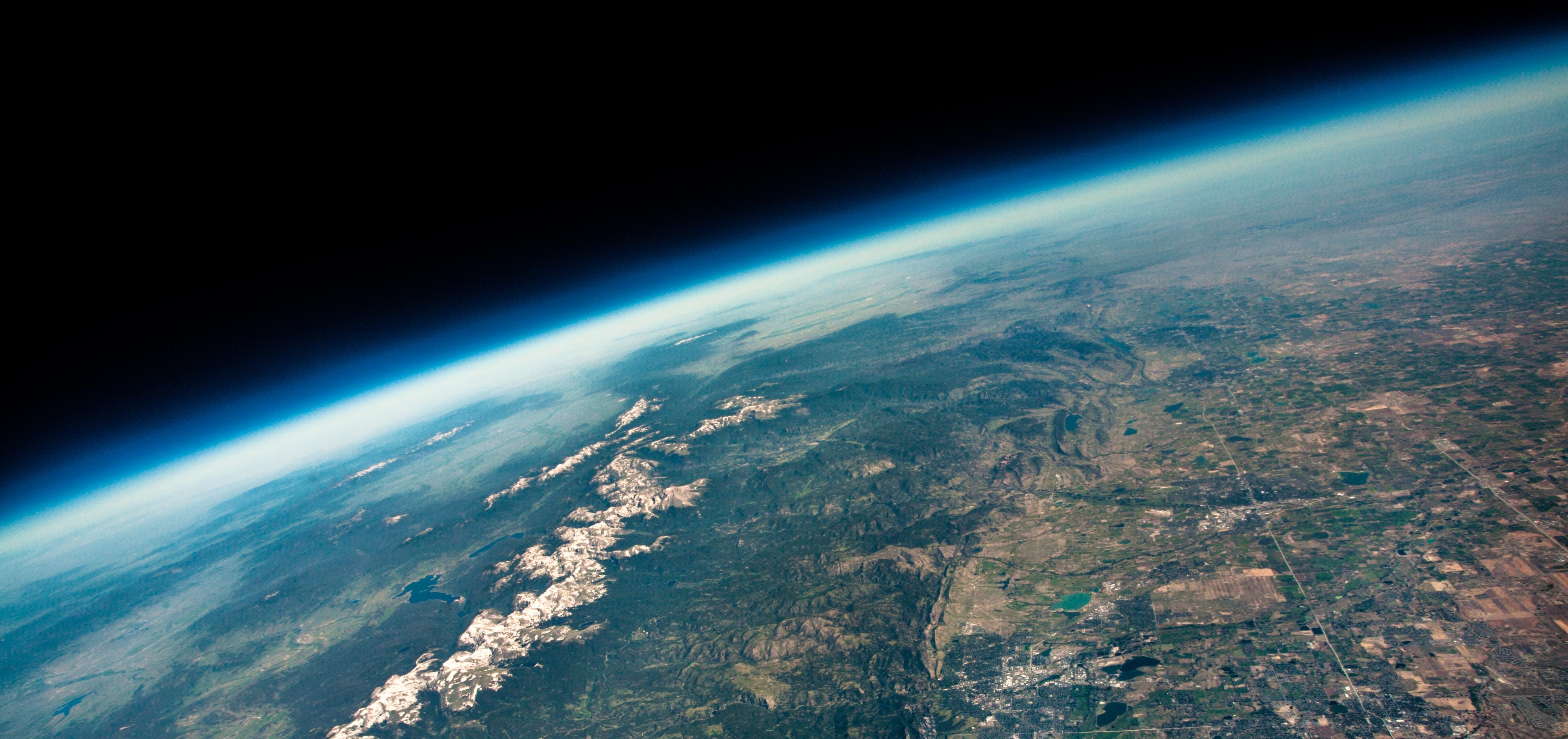
2021 to 2040 NOAA Education Strategic Plan summary
This plan summary was updated on February 27, 2025 to align with executive orders. For more information, please reach out to education@noaa.gov.
Vision
An informed society that uses ocean, coastal, Great Lakes, weather, and climate science to make the best social, economic, and environmental decisions.
Mission
To educate and inspire the Nation to use science toward improving ocean and coastal stewardship, increasing safety and resilience to environmental hazards, and preparing a future workforce to support NOAA’s mission.
Goals
- Science Informed Society
- NOAA Education engages people in our mission by providing opportunities for individuals of all backgrounds to learn science. We aim to inspire students and the public, help educators incorporate NOAA resources into their classrooms, and build enduring relationships with partners whose expertise complements our own. NOAA will:
- provide formal science education opportunities for students at places and facilities that NOAA manages.
- provide formal science education opportunities for students in classrooms.
- provide informal place-based and hands-on education opportunities for youth and adults.
- participate in science outreach events for youth and adults.
- support citizen science opportunities that advance learning for youth and adults.
- support science and engineering competitions for youth.
- develop and disseminate science resources designed for youth and adults.
- deliver professional development programs on NOAA-related sciences and resources for educators.
- develop and disseminate science resources designed for educators.
- support educator networks to promote and facilitate the teaching of NOAA-related sciences.
- work with partner organizations to integrate NOAA's science and education assets.
- support formal education systems with NOAA-related science programs and resources.
- work with partner networks to improve science teaching and programs.
- NOAA Education engages people in our mission by providing opportunities for individuals of all backgrounds to learn science. We aim to inspire students and the public, help educators incorporate NOAA resources into their classrooms, and build enduring relationships with partners whose expertise complements our own. NOAA will:
- Conservation and Stewardship
- NOAA Education provides opportunities for learners to connect with their local ecosystems and gives them tools to help them understand how individual behavior impacts the environment. We help people have an active voice in managing and protecting the resources they care about. NOAA will:
- provide formal stewardship education and action opportunities for students.
- provide informal stewardship education and action opportunities for youth and adults.
- provide conservation and stewardship outreach for youth and adults.
- deliver professional development programs on conservation and stewardship for educators.
- develop and disseminate resources on conservation and stewardship designed for educators.
- work with educators to implement stewardship action projects.
- work with partner organizations to implement conservation and stewardship initiatives.
- support formal education systems with conservation and stewardship programs and resources.
- NOAA Education provides opportunities for learners to connect with their local ecosystems and gives them tools to help them understand how individual behavior impacts the environment. We help people have an active voice in managing and protecting the resources they care about. NOAA will:
- Ready, Responsive, Resilient
- NOAA Education helps individuals and communities learn how to make informed decisions about the environmental hazards they face. Everyone, including the most vulnerable populations with the highest risk to hazards’ impacts and the fewest resources to respond, needs to be empowered to protect themselves, their families, and their communities. NOAA will:
- provide formal education opportunities on resilience, readiness, and responsiveness for students.
- provide informal education opportunities on readiness, responsiveness, and resilience for youth and adults.
- participate in outreach events on readiness, responsiveness, and resilience for youth and adults.
- deliver professional development programs on readiness, responsiveness, and resilience for educators.
- develop and disseminate resources on readiness, responsiveness, and resilience for educators.
- work with partner organizations to integrate NOAA's readiness, responsiveness, and resilience assets.
- work with partners to engage vulnerable populations in becoming ready, responsive, and resilient.
- NOAA Education helps individuals and communities learn how to make informed decisions about the environmental hazards they face. Everyone, including the most vulnerable populations with the highest risk to hazards’ impacts and the fewest resources to respond, needs to be empowered to protect themselves, their families, and their communities. NOAA will:
- Future Workforce
- Building and supporting skilled future STEM workforce is critical to NOAA’s mission. Our programs cultivate the next generation of scientists and experts, supporting students of all levels and recent graduates. NOAA will:
- provide career interest programs.
- develop and disseminate career awareness resources.
- provide scholarships and fellowships for undergraduate and graduate students.
- provide work-based learning for students.
- work with minority serving institutions and other partners to increase opportunities for students in NOAA mission fields.
- work with academic partners to prepare students for NOAA’s future workforce needs.
- provide fellowship and postdoctoral opportunities for recent graduates.
- remove barriers to bringing NOAA-supported students into the NOAA workforce.
- coordinate agency-wide recruitment efforts for the NOAA workforce.
- Building and supporting skilled future STEM workforce is critical to NOAA’s mission. Our programs cultivate the next generation of scientists and experts, supporting students of all levels and recent graduates. NOAA will:
- Organizational Excellence
- The NOAA Education community works together to improve how we collaborate, evaluate, and communicate. NOAA Educators will:
- support collaborative networks of NOAA educators.
- collaborate across programs and offices.
- monitor and evaluate education programs.
- develop strategic partnerships, networks, and policy priorities to support education.
- use communications to share the impact of NOAA education programs.
- The NOAA Education community works together to improve how we collaborate, evaluate, and communicate. NOAA Educators will:
Past Plans
2015
2015 - 2035 NOAA Education Strategic Plan - Explainer 2015 - 2035 NOAA Education Strategic Plan - Executive Summary 2015 - 2035 NOAA Education Strategic Plan - Full TextResponses to Reviewer Comments to the 2015-2035 Education Strategic Plan
2009
2009 - 2029 NOAA Education Strategic Plan