
  • Home
  • Weather
  • Climate
  • Ocean & Coasts
  • Fisheries
  • Satellites
  • Research
  • Marine & Aviation
  • Charting
  • Sanctuaries
  • Education
  • News and features
  • Tools & resources
  • About our agency
U.S. flag

An official website of the United States government

Here’s how you know

Dot gov

Official websites use .gov
A .gov website belongs to an official government organization in the United States.

HTTPS

Secure .gov websites use HTTPS
A lock (LockA locked padlock) or https:// means you’ve safely connected to the .gov website. Share sensitive information only on official, secure websites.

Find your local weather
Change location:
  • News
  • Tools
  • About
 
 
NOAA mobile logo
NOAA logo National Oceanic and Atmospheric Administration U.S. Department of Commerce


Breadcrumb

  1. Home
  2. Offices
  3. Office of General Counsel

International Section

NOAA
  • Office of General Counsel home
    • Office of General Counsel home
    • About the NOAA General Counsel
    • Organization
    • GC Career Opportunities with NOAA
    • Resources
  • International Section home
  • About the General Counsel International Section
  • Areas of practice
    • Antarctic Issues
    • Arctic issues
    • Biological Diversity and Related Issues
    • Vandalism/Negligent Destruction of Ocean and Coastal Observing Systems
    • Fisheries
    • Heritage: Natural and Cultural Resources
    • International Maritime Organization (IMO) Area Based Management Tools (ABMTs)
    • Jurisdiction Over Vessels
    • Marine Debris
    • Marine Mammals
    • Marine Pollution
    • Marine Protected Areas (MPAs)
    • Marine Scientific Research
    • NOAA Legal History
    • Ocean Acidification
    • Seabed Activities
    • Seabirds
    • Seaward Limit of Laws
    • Submarine Cables
    • Survey and Charting
    • Treaty Interpretation
    • Marine Mammals: Underwater Noise
    • Maritime Zones and Boundaries
  • Cross cutting issues
    • Law of the Sea Convention
    • Precautionary Approach
    • R.M.S Titanic
  • Authorities and Mandates
  • Glossary

Contact information

International Section
Office of General Counsel
National Oceanic and Atmospheric
  Administration (NOAA)

Herbert C. Hoover Building, Room 48026
14th Street and Constitution Avenue N.W.
Washington D.C. 20230-0001

Telephone: 202-482-1400
Office email

Contact information

International Section
Office of General Counsel
National Oceanic and Atmospheric
  Administration (NOAA)

Herbert C. Hoover Building, Room 48026
14th Street and Constitution Avenue N.W.
Washington D.C. 20230-0001

Telephone: 202-482-1400
Office email

The International Section provides legal advice and assistance to NOAA and other federal agencies on the development, negotiation, interpretation, and application of customary and conventional international law, as well as domestic law relating to:

  • Oceans, including the law of the sea, shipping, fisheries, maritime zones and boundaries, marine pollution, aquatic invasive species, marine mammals, deep seabed mining, and marine scientific research;
  • Protection, conservation, and sustainable use of the marine environment, including biological diversity, trade and environment, geo-engineering, fisheries, marine mammals, protected marine species, marine pollution, marine protected areas, natural and cultural heritage, seabirds, and Polar affairs, including matters related to the Arctic Council and the Antarctic Treaty System;
  • Scientific and technical issues, including hydrographic surveys, nautical charting, transfer of funds, capacity building, and education and outreach; and
  • Seaward limit of U.S. laws

The Section’s legal services help assure that NOAA’s policy development and programmatic activities with respect to the marine environment are consistent with, and take into account, the Law of the Sea Convention and other applicable rules of international law. The International Section further helps NOAA pursue and protect the agency’s interests in the context of interagency and international processes. Finally, the Section is often called upon to review and help develop or amend domestic legislation.
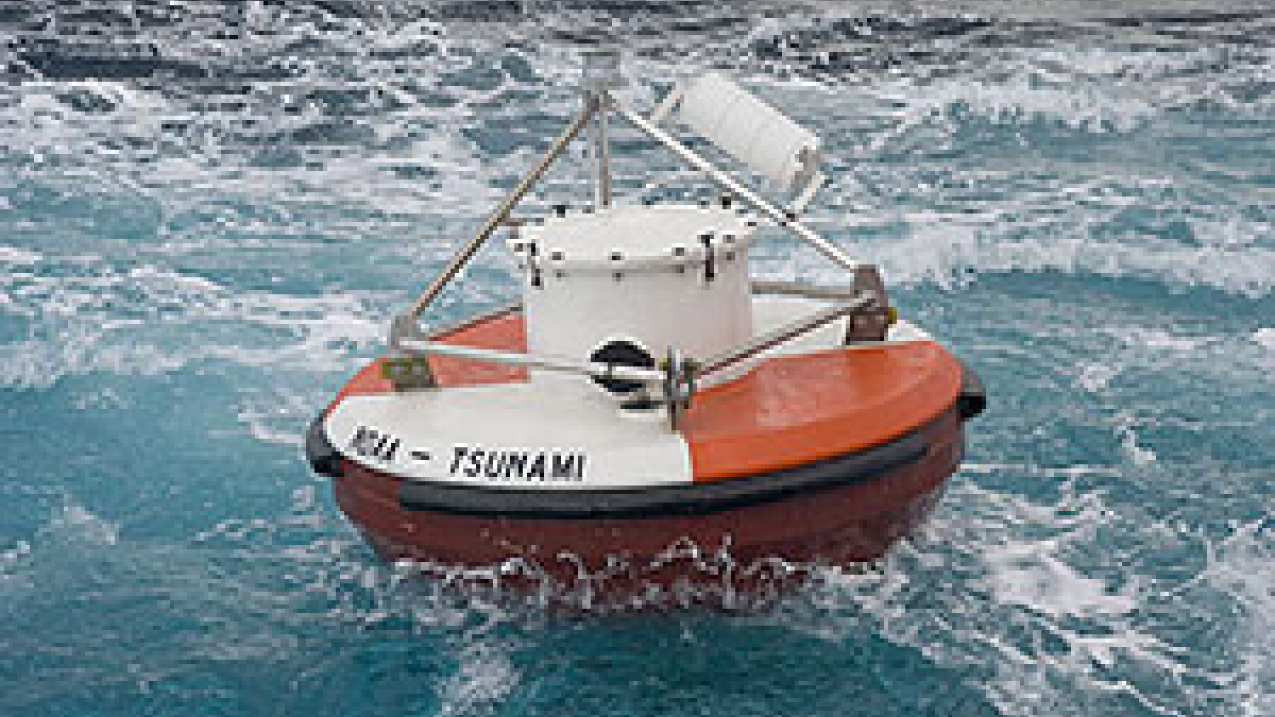
DART system buoy.
Law of the Sea Convention

The 1982 Law of the Sea Convention (LOSC) sets forth a comprehensive legal framework for the use and protection of the sea, the seabed and subsoil, and the marine environment, including both natural and cultural resources.
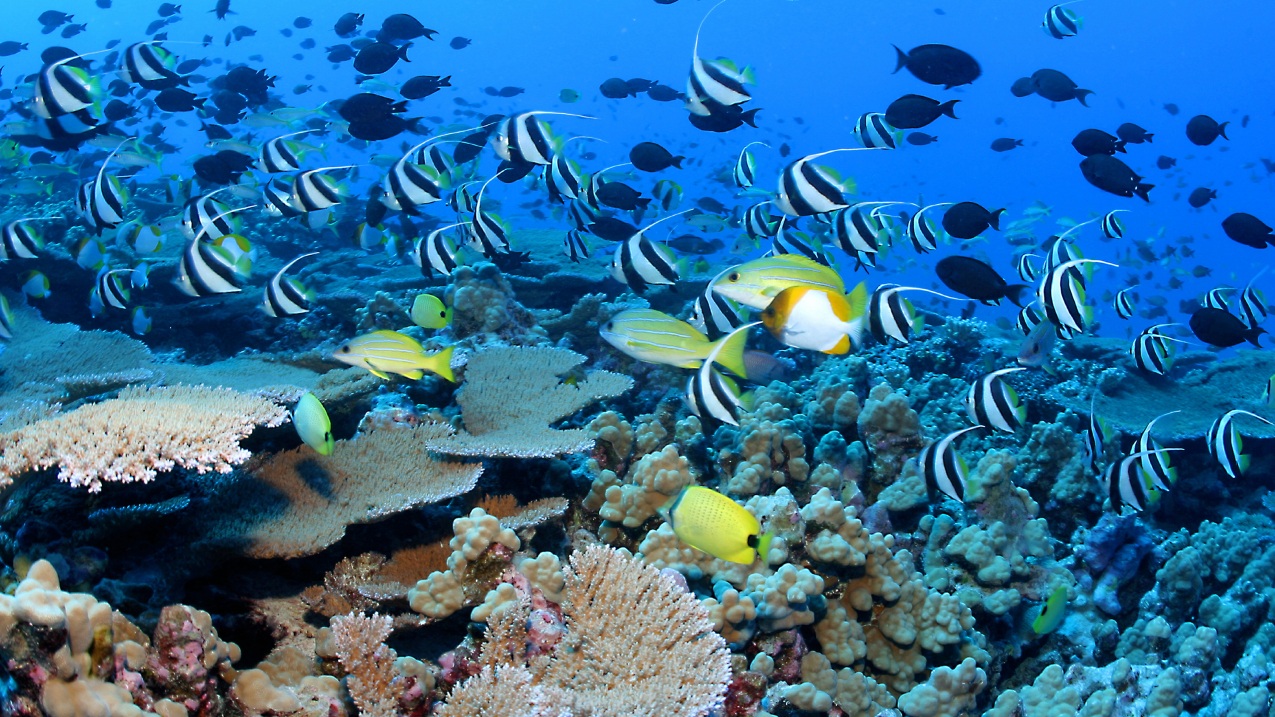
Marine biodiversity is the variability among living organisms in the ocean and Great Lakes. This variability exists at all levels of complexity from the genetic level, within species, and across ecosystems or biomes.
Precautionary Approach

A precautionary approach to addressing threats to the environment can be traced back to domestic German law in the 1970s. It was first used in an international agreement in 1980. However, it was at the 1992 United Nations Conference on Environment and Development that it received broad international recognition in the Rio Declaration on Environment and Development of 1992.
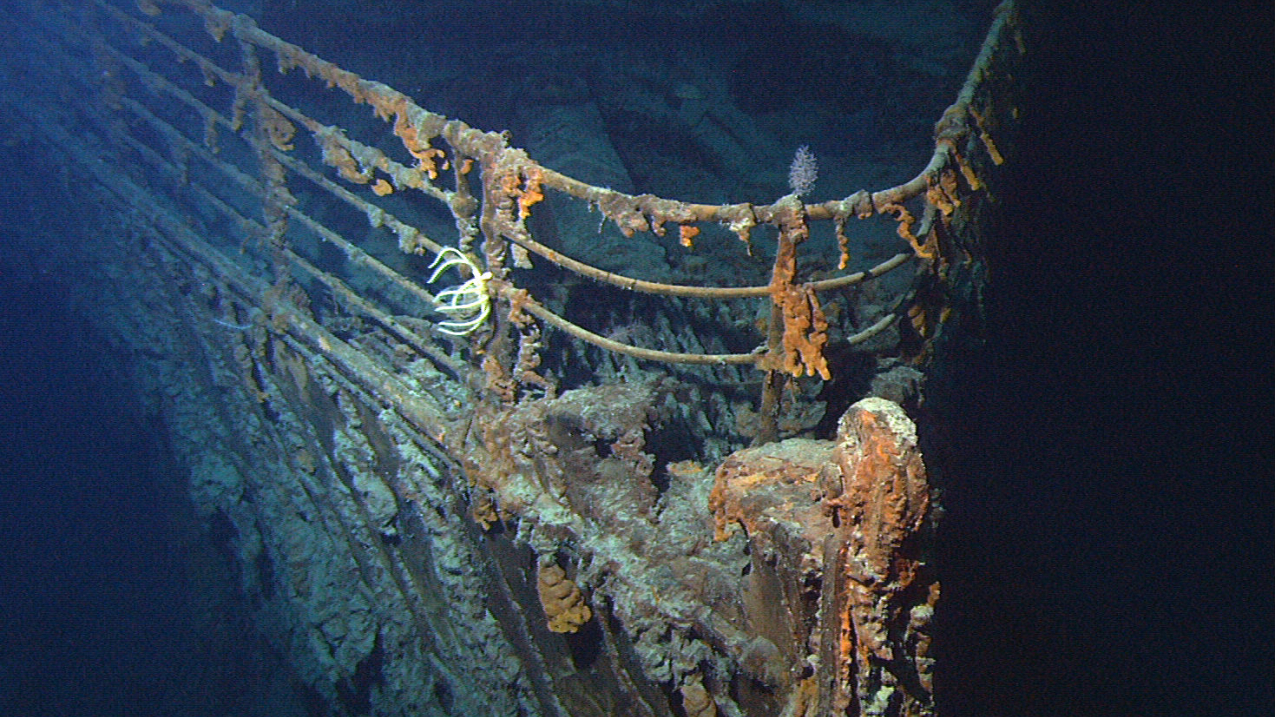
The RMS Titanic rests at the bottom of the Atlantic Ocean
R.M.S Titanic
On May 5, 2017, the Consolidated Appropriations Act, 2017 (Public Law 115-31) was signed into law. Section 113 of the Act provides that “no person shall conduct any research, exploration, salvage, or other activity that would physically alter or disturb the wreck or wreck site of the RMS Titanic unless authorized by the Secretary of Commerce per the provisions of the Agreement Concerning the Shipwrecked Vessel RMS Titanic. The Secretary of Commerce shall take appropriate actions to carry out this section consistent with the Agreement.”

Contact information

International Section
Office of General Counsel
National Oceanic and Atmospheric
  Administration (NOAA)

Herbert C. Hoover Building, Room 48026
14th Street and Constitution Avenue N.W.
Washington D.C. 20230-0001

Telephone: 202-482-1400
Office email

Last updated January 23, 2024
Have a comment on this page? Let us know.
NOAA Home
Science. Service. Stewardship.
  • News
  • Tools
  • About
  • Resources for Tribal & Indigenous Communities
  • Bipartisan Infrastructure Law (BIL)
  • Inflation Reduction Act (IRA)
  • Protecting Your Privacy
  • FOIA
  • Information Quality
  • Accessibility
  • Guidance
  • Budget & Performance
  • Disclaimer
  • EEO
  • No-Fear Act
  • USA.gov
  • Ready.gov
  • Employee Check-In
  • Staff Directory
  • Contact Us
  • Need Help?
  • COVID-19 hub for NOAA personnel offsite link
  • Vote.gov
Stay connected to NOAA
NOAA on Twitter NOAA on Facebook NOAA on Instagram NOAA on YouTube
Back to top