




2024 Regional Collaboration Network Accomplishments Report
NOAA in Alaska
NOAA in the Central Region
NOAA in the Great Lakes
NOAA in the Gulf of America
NOAA in the North Atlantic
NOAA in the Pacific Islands
NOAA in the Southeast and Caribbean
NOAA in the West
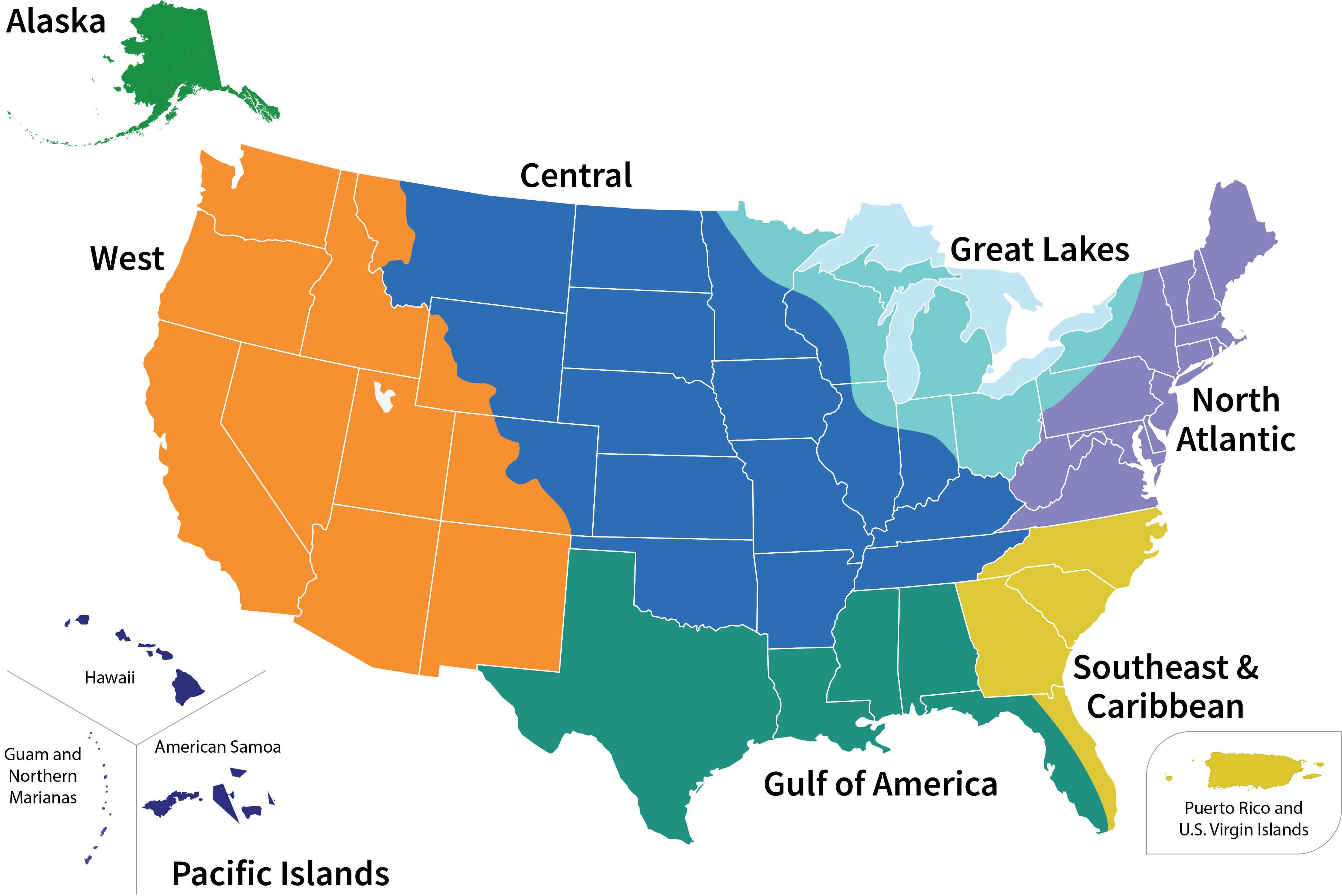
NOAA’s Regional Collaboration Network is comprised of NOAA employees and partners representing the agency’s capabilities across the country.
From Louisa Koch
Dear NOAA Regional Collaboration Network Members and Partners,
On behalf of NOAA’s Regional Collaboration Network (RCN), I am pleased to present our 2024 Accomplishments Report, in which we highlight some of the Network’s most significant achievements that advance NOAA’s mission in the regions.
The RCN is composed of 160 NOAA employees and core partners, serving on eight regional teams across the United States and its Territories. These teams drive initiatives that foster robust collaboration and bring together the agency’s capabilities to enhance our value to the communities with which we engage. I am proud to support the outstanding work accomplished by this dedicated group, who go above and beyond to improve NOAA’s service to the Nation. The RCN continues to bring NOAA services and tools by better connecting NOAA's experts and resources with the communities we serve.
I invite you to join me in expressing gratitude to the RCN for its successful work and encourage you to explore the achievements presented in this Accomplishments Report.
Sincerely,
Louisa Koch
National Team Lead and Director of NOAA Education
2024 Regional Collaboration Network Workshop: Empowering communities by bridging science and tradition
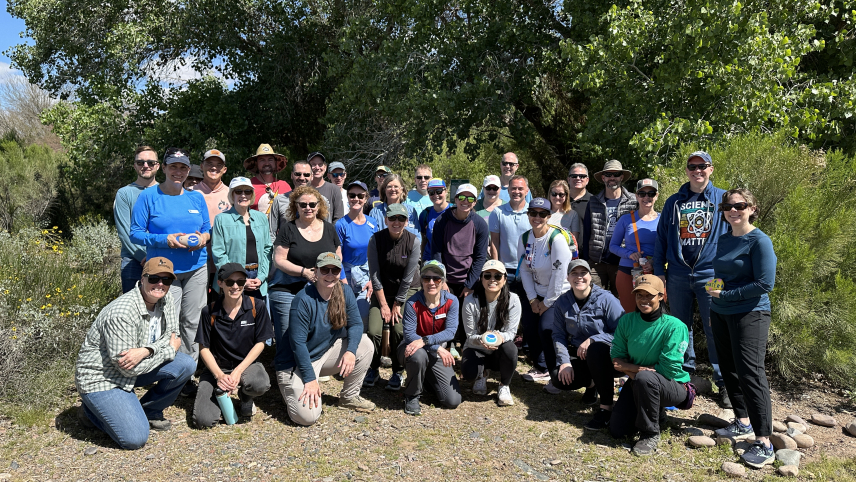
Members of the NOAA Regional Collaboration Network (RCN) gathered in Arizona for their annual workshop where they engaged in hands-on service activities, fostered connections with local community members, and explored impactful climate resilience projects. This year’s workshop spanned across Phoenix, Tucson, and Globe, bringing together over 60 NOAA staff and 50 additional participants, including representatives from more than 25 partner organizations, to address climate-related challenges and solutions in the Southwest.
The workshop kicked off with NOAA in Service activities, which aims to broaden NOAA’s mission of service to include time, energy, and vested interest in the communities the agency serves. NOAA partnered with the Salt River Pima Maricopa Indian Community to restore trails, enhance pollinator gardens, and maintain the Cottonwood Wetland, a shared space for the community. The second NOAA in Service activity helped prepare for the 2024 heat season and connected RCN with a group of organizations, including the Arizona Faith Network, Salt River Project, and Stardust Building Supplies. RCN members assembled over 1,000 heat relief kits that will allow Phoenix’s most vulnerable populations to avoid dehydration, sunburn, and heat exhaustion.
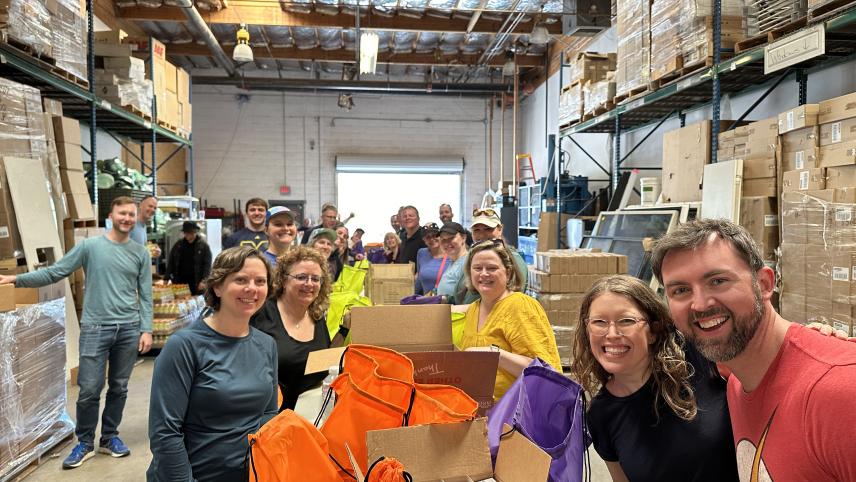
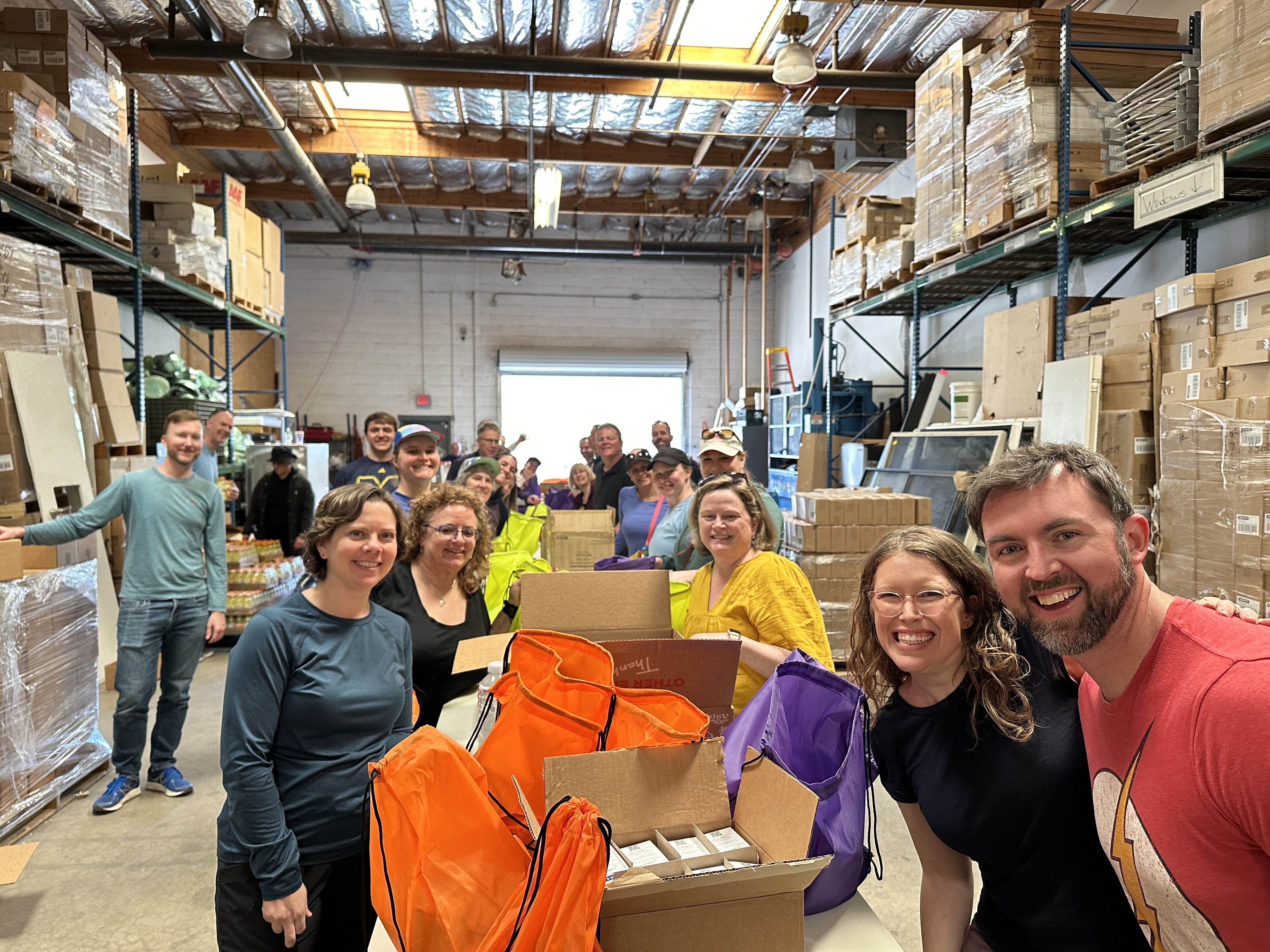
The next day of the workshop, Courtney Draggon, Director of Organizational Excellence at the National Weather Service, and Maren Mahoney, Director of Arizona’s Office of Resilience, led a session focused on Arizona’s extreme heat preparedness plan. Joined by Dr. Eugene Livar and Jenni Botsford from the Arizona Department of Health Services, they presented a community-based approach to extreme heat response. This session highlighted how effective public policy and strategic partnerships enhance community resilience to extreme weather events.
The group also explored academia's role in addressing environmental challenges, facilitated by Arizona State University (ASU). Dr. Vernon Morris, Associate Dean of Knowledge Enterprise and Strategic Outcomes in the New College of Interdisciplinary Arts and Sciences, and Jacob Moore, Special Advisor to ASU President on American Indian Affairs, shared insights on integrating Indigenous knowledge into climate science, noting the value of ASU’s connections with 23 tribes. This session underscored the importance of a collaborative approach that respects traditional knowledge and addresses regional issues like water rights and land use.
Vanessa Escobar, NOAA Pathfinder Initiative Lead, introduced NOAA's data-sharing program, which makes climate data accessible to policymakers and communities. Escobar facilitated a panel discussion with key partners from the state to discuss collaborative efforts centered on improving air quality monitoring, public health decision making, and community engagement, particularly in Maricopa County, Arizona’s most populous county and a region at the forefront of climate adaptation needs.
The workshop continued its focus on extreme heat with Joe Casola, NOAA’s former Regional Climate Service Director for the Western Region, and Katie Krushinski, Training and Exercise Program Manager for NOAA’s Homeland Security Program Office, who detailed the agency’s efforts to mitigate urban heat impacts. Additionally, Hunter Jones, Deputy Director for the Climate and Health Program in NOAA’s Climate Program Office, introduced several new and emerging efforts aimed at addressing the challenges of extreme heat, and showcased how NOAA is advancing extreme heat research and local partnerships.
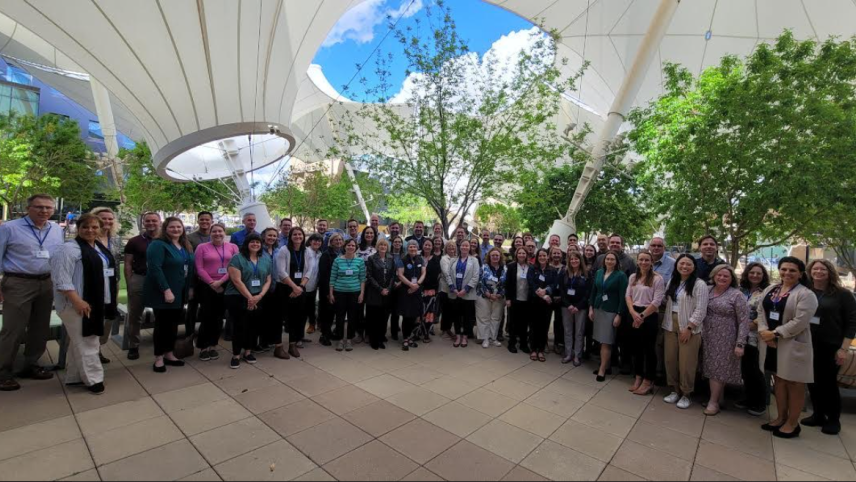
Participants then traveled to Tucson to visit the National Weather Service (NWS) office and observe a weather balloon launch. This visit also highlighted NWS's partnership with the University of Arizona’s (UA) Hydrology and Atmospheric Sciences department, a collaboration that fosters hands-on learning opportunities for students in atmospheric sciences and hydrology.
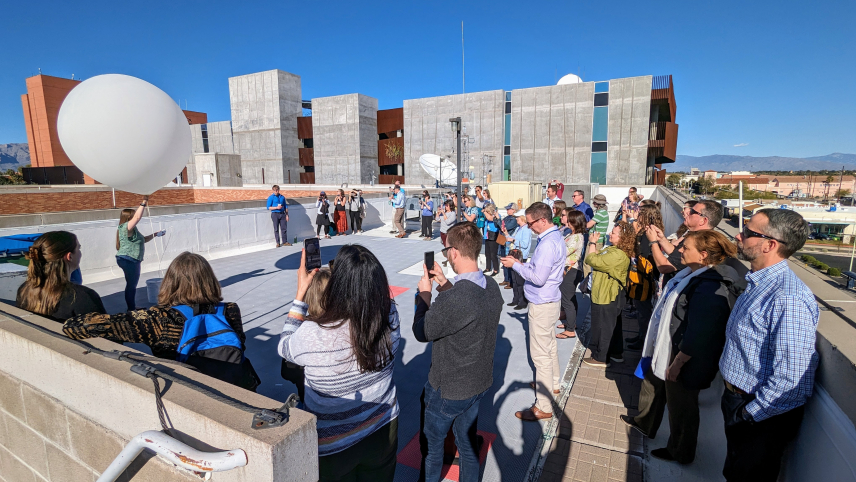
The partnership between the NWS and UA not only strengthened educational opportunities, but also established a foundation for long-term academic and professional collaboration. Looking ahead, the partnership aims to expand its range of projects and deepen student participation in advanced research and community initiatives, continually supporting their growth in atmospheric science.
During a visit to the UA’s Laboratory of Tree Ring Research (LTRR), participants gained insight into this world-renowned center for dendrochronology—the study of tree rings. RCN members learned how LTRR leverages data within tree rings to decode complex interactions between Earth's climate, ecosystems, and societies over time.
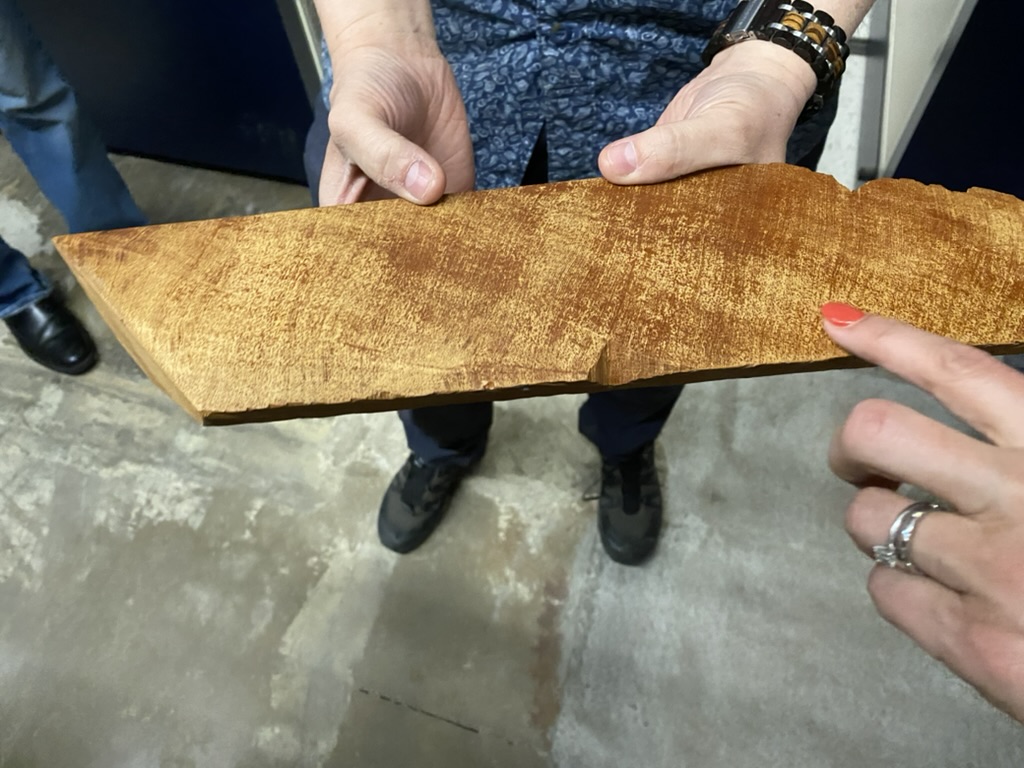
The participants then traveled to Globe, Arizona where RCN members connected with the San Carlos Apache Tribe to discuss climate challenges and regional water rights. San Carlos tribal attorney, Steve Titla, expressed the importance of sustained partnerships with federal agencies like NOAA, particularly in addressing complex water distribution issues on the Gila River. The meeting concluded with a traditional Apache blessing, emphasizing the shared commitment to future collaborations.
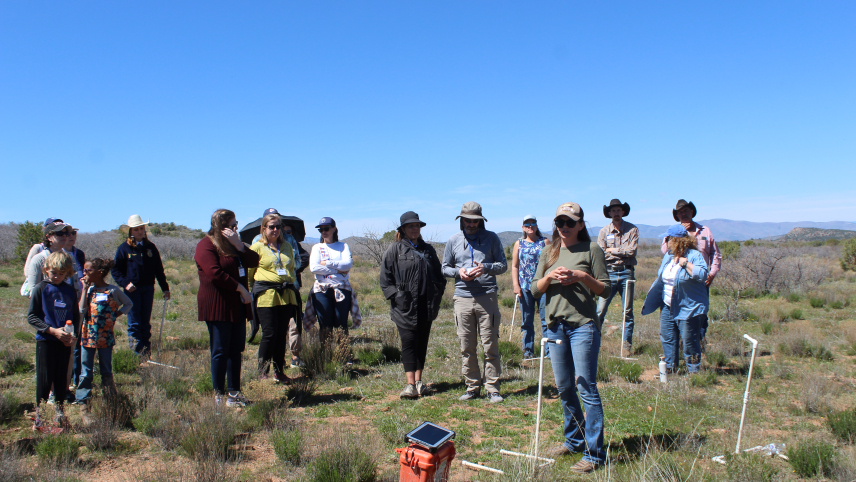
The workshop wrapped up at the Griffin Cattle Ranch, a family cattle ranch that was established in the early 1900s, where participants gained firsthand insights into adaptive ranching practices in arid climates. The Griffin family demonstrated sustainable grazing techniques and discussed how NOAA’s data informs their operations in drought-prone conditions. UA Agricultural Extension agents then guided participants through vegetation health measurements, revealing how monitoring helps sustain both the cattle and the land.
This year's RCN workshop underscored NOAA's commitment to addressing climate challenges through partnerships that embrace traditional knowledge, academic research, and community engagement. As the Southwest faces growing climate pressures, NOAA's collaborations with local communities, Indigenous groups, and research institutions will remain crucial in building resilience and protecting ecosystems.
Featured accomplishments
NOAA works with other agencies to enhance disaster preparedness in Alaska
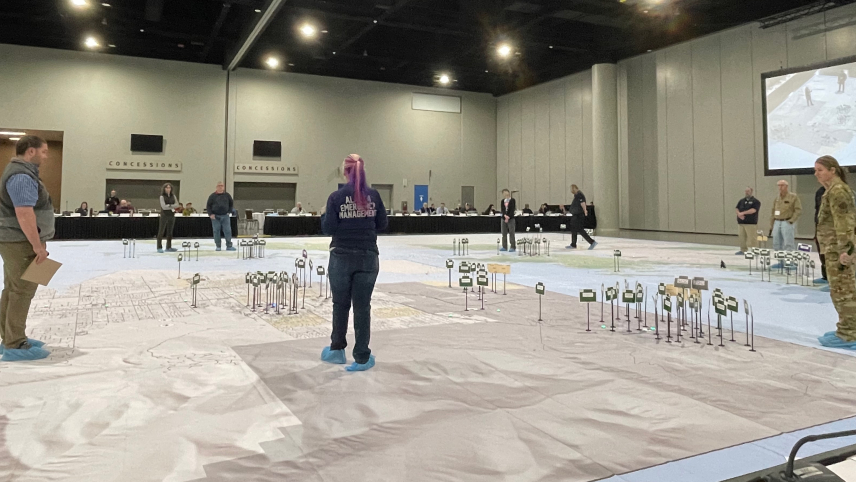
On April 16-18, members of NOAA Alaska Regional Collaboration Team’s disaster preparedness and response working group participated in the Federal Emergency Management Agency’s AlaskaEx 2024 Rehearsal of Concept Exercise in Anchorage, Alaska. The exercise focused on placing resources in designated areas as well as moving and distributing those resources to communities in Alaska during the first six days following a catastrophic event. Participants from the Department of Defense (DoD), state and federal agencies, local communities, and the private sector, tackled the simulation of a significant 9.2 earthquake and the ensuing tectonic tsunami.
The exercise highlighted NOAA's role in outlining initial operations and mission assignments, such as how the agency would collaborate with the DoD to provide essential weather support for airlifts and the United States Coast Guard to establish safe maritime routes for vessel traffic. This exercise provided invaluable insights which will guide future initiatives to enhance NOAA’s disaster response capabilities, focusing on the agency’s priorities to strengthen resilience and ensure its pivotal role in safeguarding Alaska’s communities during catastrophic events.
Alaska hosts NOAA’s NextGen Satellite Workshop to address Alaskan needs
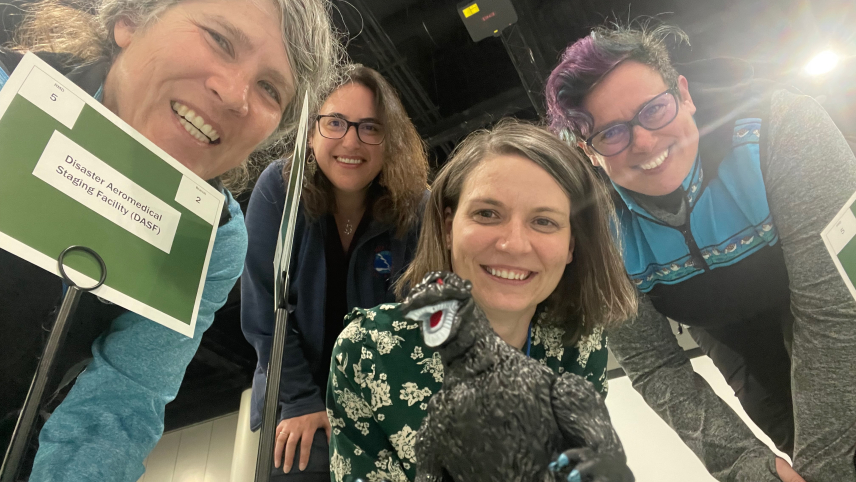
From September 10-12, the NOAA Alaska NextGen Satellite Workshop connected Alaskans with satellite product developers to discuss data and services vital for informed decision-making, particularly in rural communities. With support from the Alaska Regional Collaboration Team and NOAA’s National Environmental Satellite, Data, and Information Service (NESDIS), Jessica Cherry, NOAA’s Regional Climate Services Director for Alaska, and Jennifer Delamere, Director of the University of Alaska Fairbanks' Geographic Information Network for Alaska, co-organized the workshop, which attracted over 105 participants.
This story-driven event highlighted Alaska-specific needs for satellite data in weather, flooding, and other hazards, as well as marine, aviation, and climate applications. Participants engaged in role-playing exercises and attended a panel on education and workforce development. The Anchorage Museum provided a unique venue, where curators shared insights on historic airborne photography of Alaska's cryosphere, which includes frozen parts of the ocean, and exhibits on survival technologies of Alaska's Indigenous people.
The workshop fostered new partnerships and collaborations, culminating in a written report outlining specific needs from the satellite science community for Alaskans. This increased understanding of life in rural Alaska will guide future initiatives. NESDIS leadership, along with Cherry and Delamere, are developing a final report and strategic plan to ensure that the workshop’s insights and partnerships have a lasting impact.
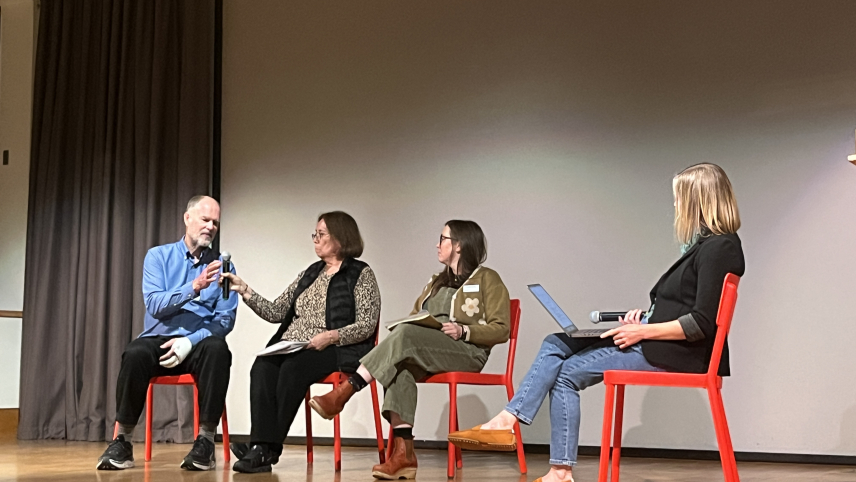
NOAA engages in strategic discussions at Alaska Symposium to enhance federal infrastructure efforts
To better engage the Alaskan communities in infrastructure efforts, NOAA’s Alaska Regional Collaboration Team took part in multiple events throughout the state, such as the Alaska Infrastructure Development Symposium offsite link and the Alaska Municipal League Annual Local Government Conference offsite link.
The Symposium provided an opportunity for stakeholders to review progress, exchange insights on federal infrastructure investments in Alaska, and strategize on maximizing future funding opportunities. The event also emphasized active engagement and coordination to ensure Alaska fully benefits from federal resources. The Alaska Regional Coordinator highlighted recent funding awards and upcoming grant competitions providing insight into NOAA's efforts to support resilience and development in Alaska's communities. Local and Tribal leaders were key contributors to the discussions to ensure that the needs and perspectives of the full range of Alaska’s communities were well-represented.
In addition, the team participated in a panel discussion at the Alaska Municipal League Annual Local Government Conference in Anchorage, where they addressed local challenges, community resilience, and the benefits brought by federal programs. The team emphasized the importance of these programs and brought awareness about new economic opportunities for Alaskan communities to tackle urgent issues, such as coastal erosion and infrastructure gaps in remote areas. NOAA’s involvement in these local events underscored the importance of coordinated efforts in overcoming the state’s distinct infrastructure challenges and building a stronger, more resilient Alaska.
Featured accomplishments
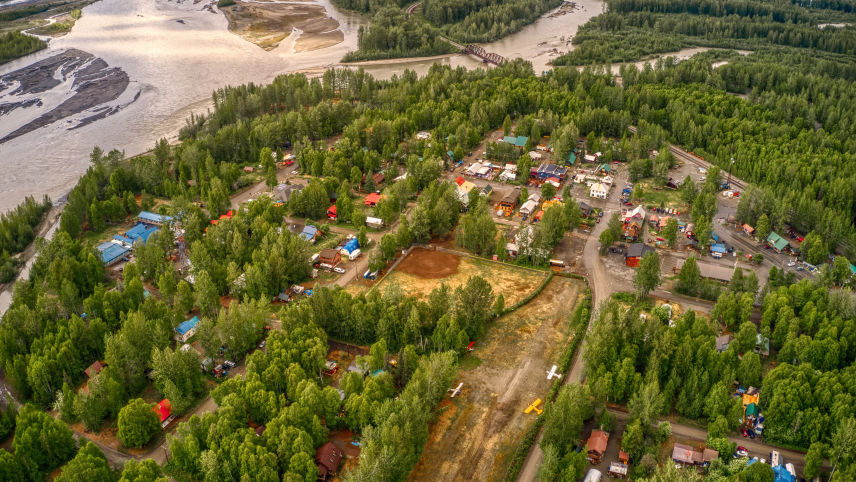
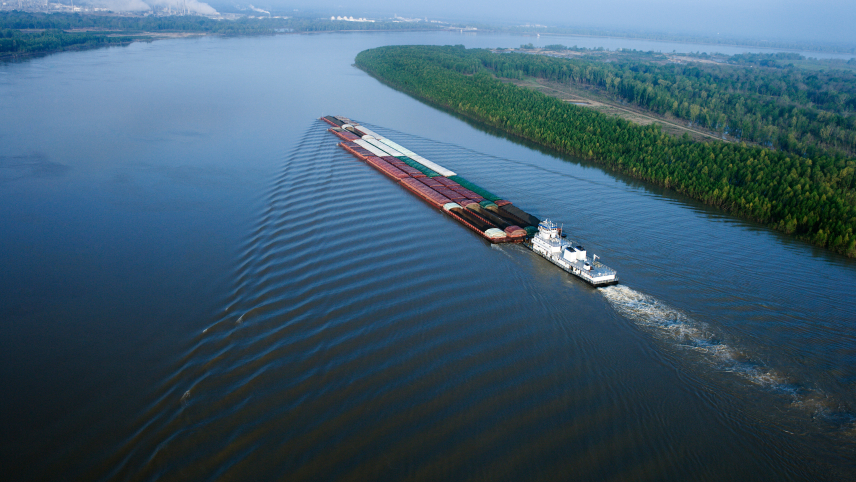
NOAA’s Central Regional Collaboration Team continues leading the Mississippi River Basin Nutrient Runoff Working Group
An ongoing issue impacting the Mississippi River Basin is nutrient runoff, which is when excess nutrients from fertilizers applied to crops or lawns are washed away during rainstorms and can end up in water systems. To raise awareness, NOAA’s Central Regional Collaboration Team maintained its leadership role in coordinating the Mississippi River Basin Nutrient Runoff Working Group. The working group, which brings people together from across NOAA, university partners, and other organizations, plays an important role in addressing nutrient runoff challenges by fostering cooperation and filling knowledge gaps. One of the group’s top priorities is to develop a basin-wide collaborative network, strengthen ties among NOAA programs, and expand outreach on nutrient runoff issues and resources.
The working group has been instrumental in facilitating collaboration among NOAA’s regional subject matter experts (SMEs) focused on climate, hydrology, and nutrient runoff, ensuring seamless connectivity within the agency. By regularly convening these SMEs, this group enhanced the sharing of information and resources and strengthened NOAA’s ability to address the needs of the Mississippi River Basin in a coordinated and comprehensive manner. To increase awareness of organizations, activities, and opportunities related to nutrient runoff throughout the basin, the working group published a quarterly bulletin which was shared with stakeholders and the public. Additionally, it evaluated and strategically expanded its membership to ensure broader representation from key regional partners.
With growing interest in Mississippi River Basin activities, the team is also working to coordinate an information network of NOAA staff to facilitate interagency collaboration and respond to data requests. Through this cross-regional approach, NOAA is working to build stronger ties across its programs and respond to the complex environmental needs of the Mississippi River Basin, particularly as nutrient runoff remains a growing concern for the river system.
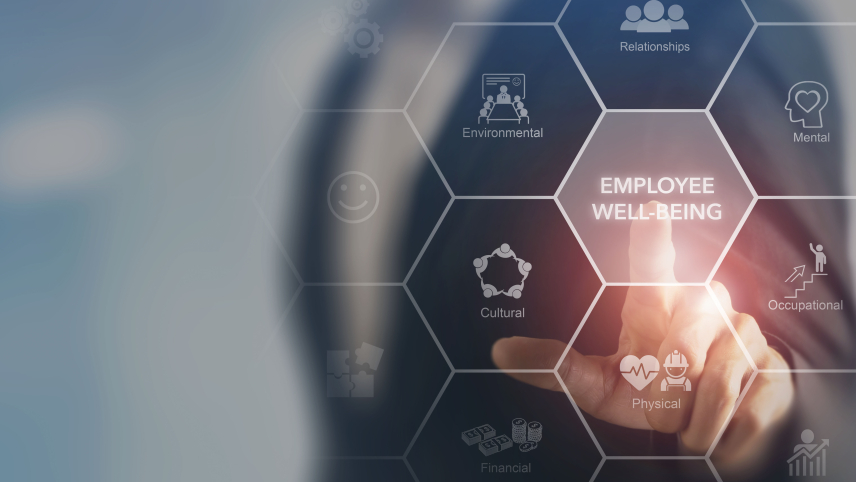
Empowering well-being: NOAA employees share stories of mental health
In recognition of Mental Health Awareness Month, the NOAA Central Regional Collaboration Team released the third issue of We’re All in This Together: Real Stories of Well-being, an internal StoryMap aimed at normalizing discussions around mental health. This resource highlights the personal stories of NOAA employees from the National Weather Service and the National Environmental Satellite, Data, and Information Service, offering insights into their mental health journeys.
This StoryMap features short interviews with NOAA employees sharing their experiences on the tools they’ve used to improve and manage their mental health. Each story reflects the unique challenges and resilience of individuals within the agency, with the goal of cultivating a culture where mental health and well-being are openly discussed and supported.
This resource was created not only as a way to raise awareness, but to also serve as a reminder that no one is alone in facing challenges. It also provides an extensive list of resources available to support NOAA staff in need. The Real Stories of Well-being series has received positive feedback throughout the agency, and employees have expressed they have felt encouraged to explore other mental health resources and empowered to reach out when support is needed.
Featured accomplishments
Integrating climate science into Great Lakes management plans
With more than 30 million people in the U.S. and Canada relying on the Great Lakes for drinking water, managing water quality for the Lakes is a critical task. To tackle this, both countries signed the Great Lakes Water Quality Agreement (GLWQA), formalizing the commitment to restore and protect the waters of the Great Lakes, and creating Lakewide Action and Management Plans (LAMPs) that address management challenges for each Lake. With support from NOAA’s Great Lakes Regional Collaboration Team, GLISA offsite link, which is one of 12 NOAA Climate Adaptation Partnership teams, led efforts to integrate climate science into the Lake Erie LAMP, which marked the first systematic inclusion of climate change into a LAMP.
Building on this success, GLISA is now partnering with NOAA and the U.S. Environmental Protection Agency to incorporate climate science into the Lake Michigan LAMP. This collaboration will ensure that the most recent assessments of climate change, current trends, and projected future impacts are included in the plan, fostering a more comprehensive approach to managing the lake's ecosystem health. The integration of climate science into the Lake Michigan LAMP will enhance the effectiveness of the GLWQA, providing a robust framework for addressing climate change impacts on the Great Lakes. Additionally, it will increase understanding and resilience, guiding future initiatives to protect and restore the ecosystem health of Lake Michigan and its connecting river systems.
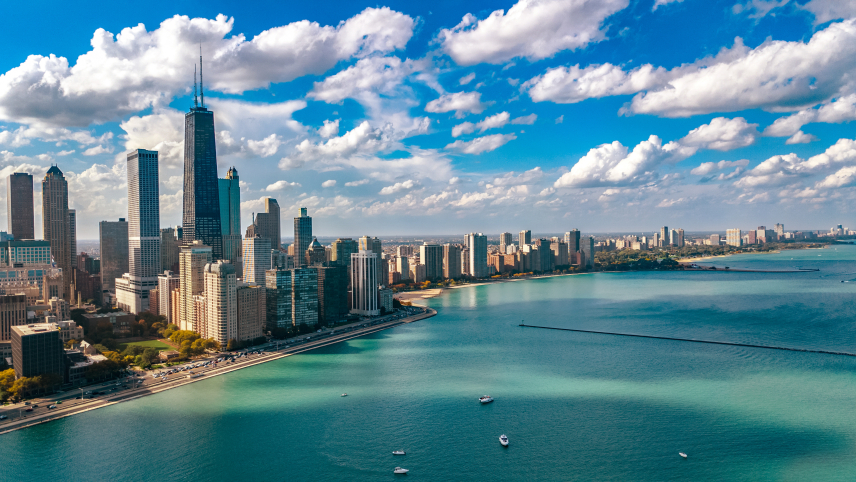
Students create report to strengthen collaboration on Great Lakes Marine Protected Areas
Across the United States, there are about 1,000 Marine Protected Areas (MPAs), including those within the Great Lakes, dedicated to protecting coastal, ocean, and Great Lakes habitats. Understanding the importance of MPAs, NOAA’s Great Lakes Regional Collaboration Team supported a team of Master’s students from the University of Michigan's School for Environment and Sustainability to create a report that would help NOAA and Parks Canada offsite link assess the values of MPAs and to explore strategies to develop a more cohesive, collaborative, and effective Great Lakes MPA network.
NOAA and Parks Canada acted as the client organizations for this project, guiding and supporting the student team in their research and analysis. The students evaluated the current MPA network, focusing on its ecological, social, and economic impacts. They conducted in-depth assessments and engaged with various stakeholders to gather data on the values and benefits provided by the existing MPAs. Furthermore, the students explored best practices and innovative approaches to strengthen collaboration between NOAA and Parks Canada, aiming to enhance the effectiveness of the MPA network.
The project culminated in a detailed report, highlighting key findings and offering actionable recommendations for improving the Great Lakes MPA network. The Great Lakes Federal Marine Protected Areas: Designating and Managing for Success offsite link report emphasized the need for a unified approach to MPA management, highlighting opportunities for increased cooperation and shared resources between NOAA and Parks Canada. This collaboration not only provided valuable insights for both agencies but also fostered new partnerships and contributed to the ongoing efforts to protect and preserve the Great Lakes ecosystem.
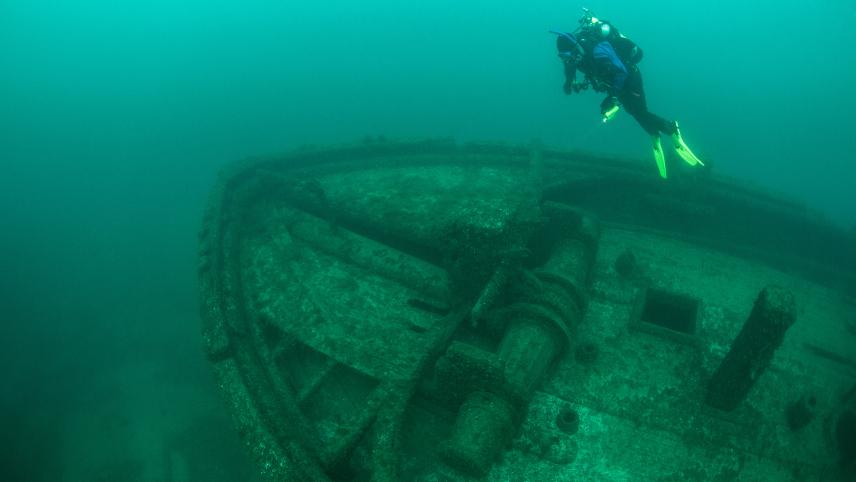
Great Lakes Restoration Initiative: a collaborative blueprint for freshwater conservation
To protect and restore one of the largest freshwater ecosystems in the world, NOAA and other federal agencies collaborate with the U.S. Environmental Protection Agency to implement the Great Lakes Restoration Initiative (GLRI). Administered by NOAA's Great Lakes Regional Collaboration Team (GLRCT), NOAA’s GLRI program received $19.6 million in fiscal year 2024.
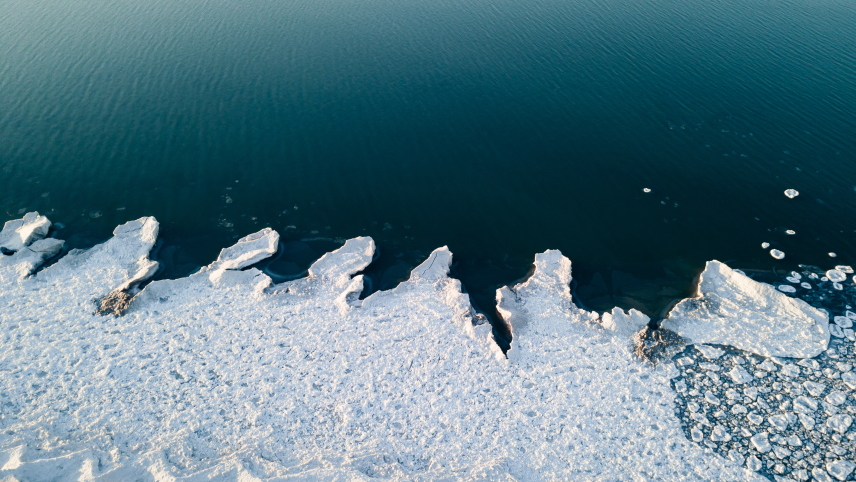
Several key projects have been implemented under the GLRI, including the completion of the Powderhorn Lake restoration near the Illinois and Indiana border, which restored 192 acres of wetland habitat, 630 linear feet of stream habitat, and 45 acres of native vegetation. Additionally, GLRI funds supported a winter and under-ice monitoring initiative in the Great Lakes that has gathered valuable data on lake conditions during colder months and provided management groups with key results that informed the development of their sustainable fishery objectives and strategies.
Most recently, NOAA contributed to the development of the GLRI Action Plan IV (APIV) through a multi-year, interagency process. Set to guide GLRI efforts for the next five years, the final plan was released in early FY25. This comprehensive blueprint underscores the collaborative approach needed to address the critical challenges facing the Great Lakes ecosystem and promote continued collaborative efforts and innovative strategies to drive significant improvements to freshwater resources.
Featured accomplishments
NOAA met with congressional staff to raise awareness about key issues in Alabama and Mississippi
This year, NOAA provided an informative opportunity for congressional staff to gain insights into the agency's roles and responsibilities. The virtual workshop took place on June 14 and highlighted issues pertinent to Alabama and Mississippi. Participants engaged in discussions centered around the upcoming hurricane season–emphasizing inland rather than coastal impacts, and the importance of ports, Physical Oceanographic Real-Time System (PORTS), and Marine Channels Forecasts, particularly in Mobile, Alabama.
The workshop attendees included eight congressional staff members representing the offices of Senator Roger Wicker (Mississippi), Senator Katie Britt (Alabama), and Representative Trent Kelly (Rep-MS). Attendees expressed their gratitude for NOAA’s contributions to the discussed topics and recognized the agency as a valuable federal partner. The conversation also led to follow-up connections with local Weather Forecast Offices to facilitate future outreach efforts and to provide constituents with essential materials on hurricane preparedness.
This engagement showcased how NOAA’s products, information, and services are utilized by local partners in specific states, sub-regions, and congressional districts and establish stronger connections with NOAA and its partners within congressional districts.
NOAA highlights Tribal engagement and climate adaptation in the Gulf of America
In collaboration with the Pointe-au-Chien Indian Tribe (PACIT) of Southeast Louisiana and Louisiana Sea Grant, the Gulf of America Regional Collaboration Team (GoARCT) led a session focused on Tribal engagement at the 2024 Gulf of Mexico Conference (GOMCON) offsite link. The conference, held in Tampa, Florida, gathered over 1,000 coastal scientists and stakeholders from state and federal government, academia, non-profit organizations, and the private sector to discuss ongoing research. With a focus on the intersection of science, policy, and management, the conference featured sessions on key themes such as ecosystem resilience, community adaptation, restoration, and natural resource management.
GoARCT facilitated conversations on Tribal engagement, communication, and partnerships in support of community decision-making in the Gulf of America region. Louisiana Sea Grant also presented the Tribal version of the Coastal Resilience Index, which is tailored for use with coastal Indigenous communities in the Gulf region. This tool was designed to support coastal hazard preparedness and resilience planning by incorporating local knowledge and priorities into decision-making processes. The session also featured stories of connection and collaboration between academia and the Jean Charles Choctaw Nation and between the Poarch Band of Creek Indians and the Environmental Protection Agency
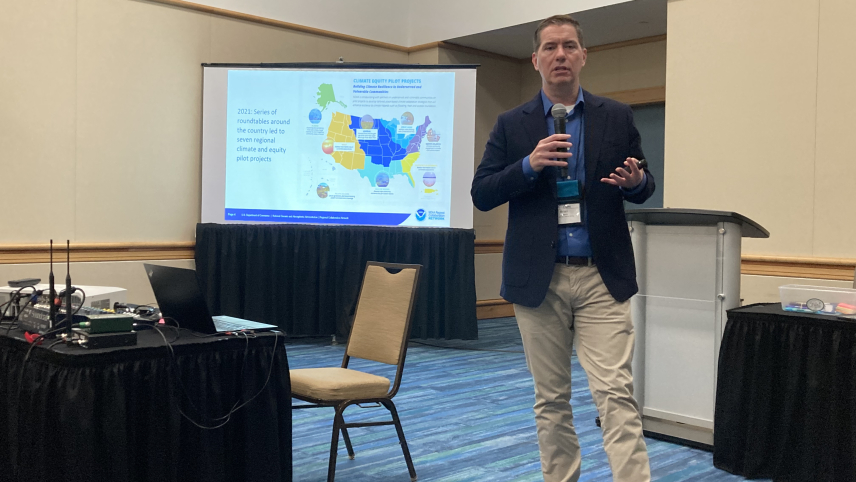
Through active discussions in this well-attended session, GoARCT highlighted the growing need for inclusive, community-driven approaches in addressing the region’s environmental challenges, promoting stronger partnerships to advance sustainable solutions. By focusing on equitable adaptation strategies and meaningful community engagement, the session showcased how collaborative efforts can enhance community resilience in the Gulf of America.
Featured accomplishments
NOAA brings Ocean Careers Discovery to students in Connecticut and Maryland
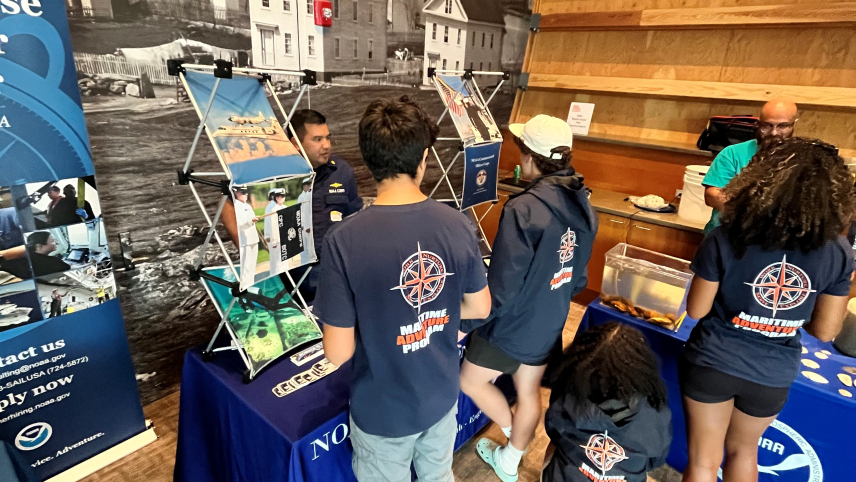
Throughout the summer, NOAA hosted a series of Ocean Careers Discovery events that engaged students from underserved communities and fostered connections with NOAA experts on ocean-related topics. NOAA staff visited with students in the Mystic Seaport Museum’s Maritime Adventure Program offsite link, which helps high school youth develop leadership and life skills through experiential maritime education. The events featured presentations from NOAA scientists and hands-on learning experiences.
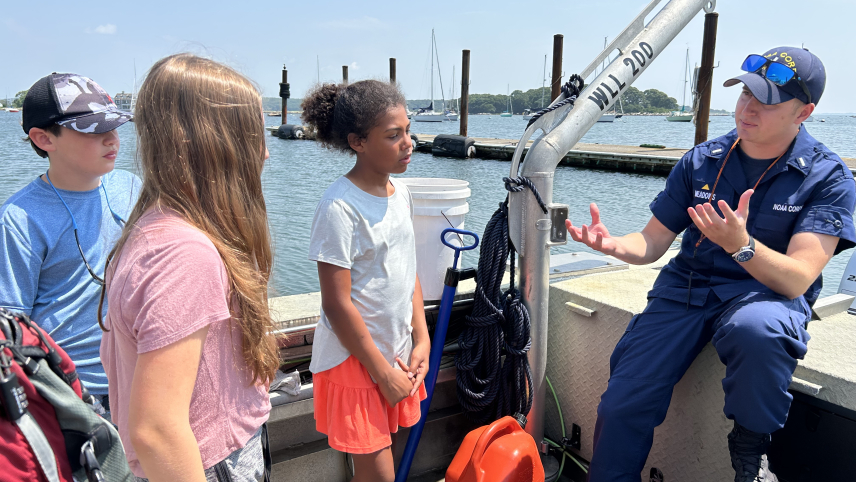
The following day, NOAA visited Project Oceanology in Groton, Connecticut, a NOAA Bay Watershed Education and Training Program grantee and a non-profit research facility focused on marine education. Summer day campers in grades 4-6 and high school students participated in activities, learning about ocean science and environmental stewardship. NOAA distributed rain gauges, a tool that measures the amount of precipitation in a specified time period, to students and partners as part of this engagement effort.
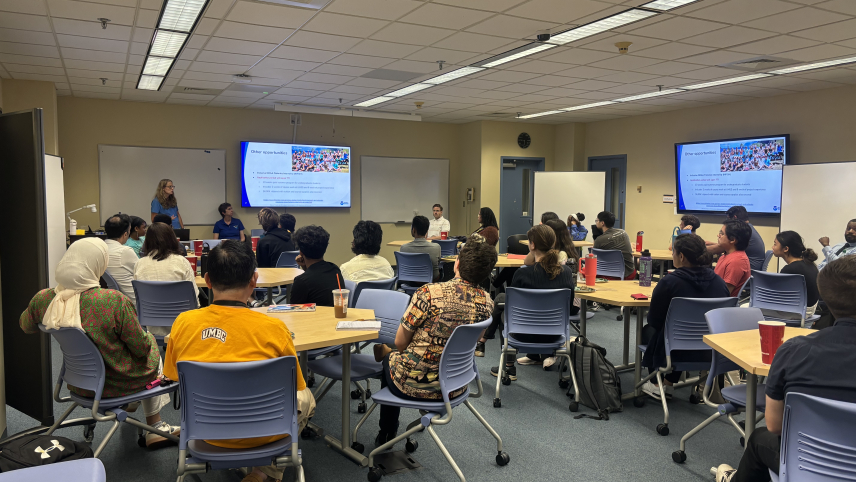
In the fall, NOAA continued its outreach with a career event at the University of Maryland-Baltimore County, where over 25 undergraduate and graduate students explored career paths in ocean science and received career development guidance. In addition, NOAA joined Mystic Watershed Urban Waters Federal Partnership’s Canoe Mobile event, guiding 200 middle school students on river excursions and leading hands-on science activities to foster environmental awareness. Hosted in Somerville and Everett, Massachusetts, NOAA’s interactive stations introduced students to marine habitats, coastal mapping, and conservation.
NOAA’s North Atlantic Regional Collaboration Team (NART) is also working to expand its engagement by leveraging partnerships with organizations like the City University of New York and planning career development workshops, mentoring, and training opportunities to support underrepresented communities.
NOAA in the North Atlantic focuses on Tribes and their environmental and health priorities
The North Atlantic Regional Collaboration Team (NART) organized a regional Tribal Engagement Community of Practice (CoP) that has made significant strides in fostering collaboration with local Tribes and understanding their needs in the region. The CoP held three key meetings throughout the year with a focus on coordinating NOAA’s engagement with tribal nations in the region and growing NOAA’s understanding of tribal priorities. The Passamaquoddy Tribe offsite link presented on the environmental and cultural significance regarding the Milltown Dam project, which aims to upgrade dam structure to allow for easier passage of sea-run fish species.
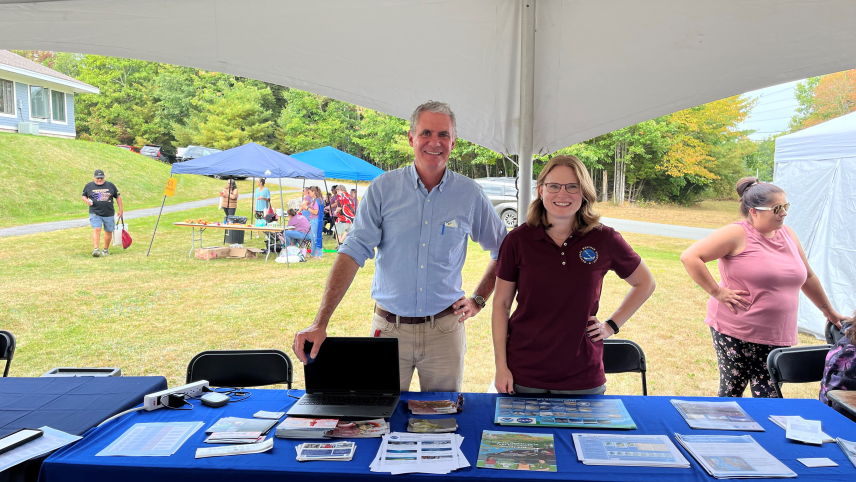
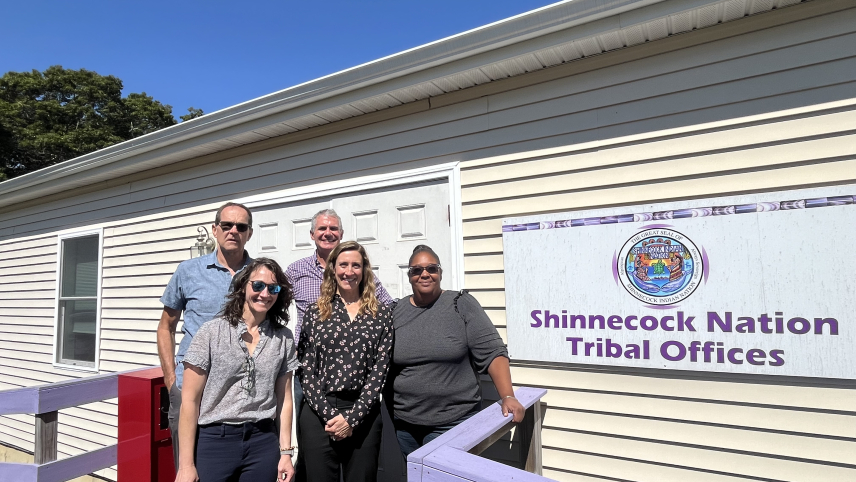
Throughout the summer and fall, Michael Stover, NART Tribal Engagement Program Coordinator, accompanied by CoP representatives, visited 15 Tribes across the North Atlantic region. These visits gathered information on each Tribe’s environmental goals and shared NOAA’s tools and resources, along with those from NOAA-funded partners. In addition, meetings with Tribal health directors were conducted to discuss the connection between climate and public health. The CoP participated in two Tribal health fairs in Maine, providing educational materials on climate change, extreme weather preparedness, and public health awareness.
Looking ahead, the NART is working to further streamline communication among CoP members, with plans to develop a tribal engagement tracker that would allow members to share Tribal-related activities.
Featured accomplishments
NOAA engages with Pacific Islands communities at the Festival of Pacific Arts and Culture
The 13th Festival of Pacific Arts and Culture offsite link (FestPAC), the world’s largest celebration of Indigenous Pacific Islanders, was hosted for the first time in Hawaiʻi from June 6-16, 2024. This event provided a unique platform to highlight and celebrate the rich cultural heritage and traditional knowledge of Pacific Island communities. NOAA’s Pacific Islands Regional Collaboration Team coordinated the agency’s involvement in FestPAC, ensuring meaningful engagement with the community.
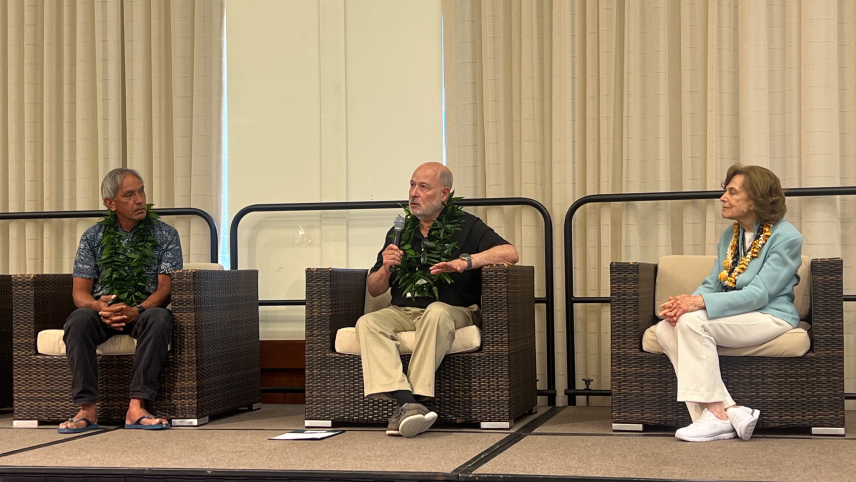
One of the key events of FestPAC was the Mālama Honua Ocean Summit, convened by the Polynesian Voyaging Society offsite link (PVS). The summit, themed "Redefining the Relationship Between Science & Culture Towards Protecting Our Island Earth," featured discussions led by prominent figures such as the NOAA Administrator, Dr. Rick Spinrad, PVS CEO, Nainoa Thompson, and oceanographer, explorer, and founder of Mission Blue, Dr. Sylvia Earle. These discussions emphasized the integration of Indigenous values with scientific observations and the role of storytelling to inspire action.
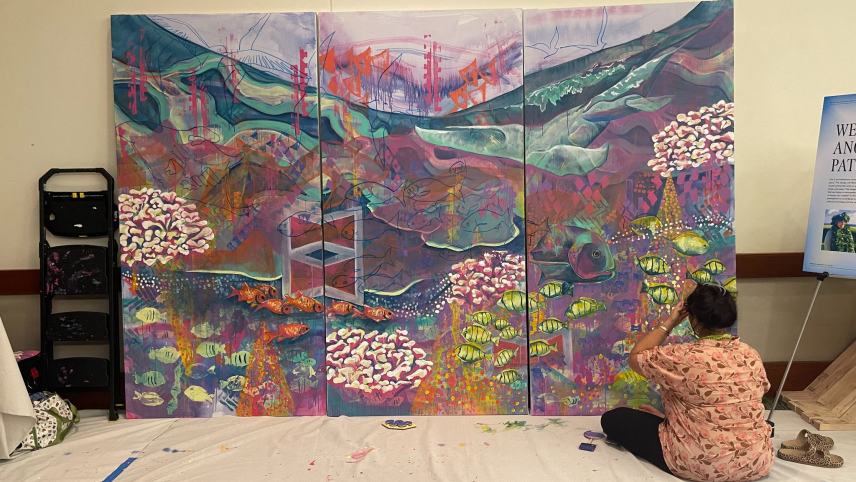
Additionally, NOAA hosted interactive programs and opportunities in the Ocean Forum Room, which was a space dedicated to engage on issues and topics related to ocean cultures, arts, and sciences of the Pacific Island communities. Thousands of people representing 28 Pacific communities and nations shared stories with NOAA staff to learn about marine protected areas in the Pacific region. They also participated in a live, interactive mural painting by local artist, Aubrey Matsuura, and listened to more than 30 presentations from local NOAA staff and scientists, who projected global data to visualize planetary, historical, and cultural data on NOAA’s Science on a Sphere. Topics included coral research and monitoring, maritime and cultural history of American Samoa, ocean expeditions and deep sea exploration, climate change, and sea level rise.
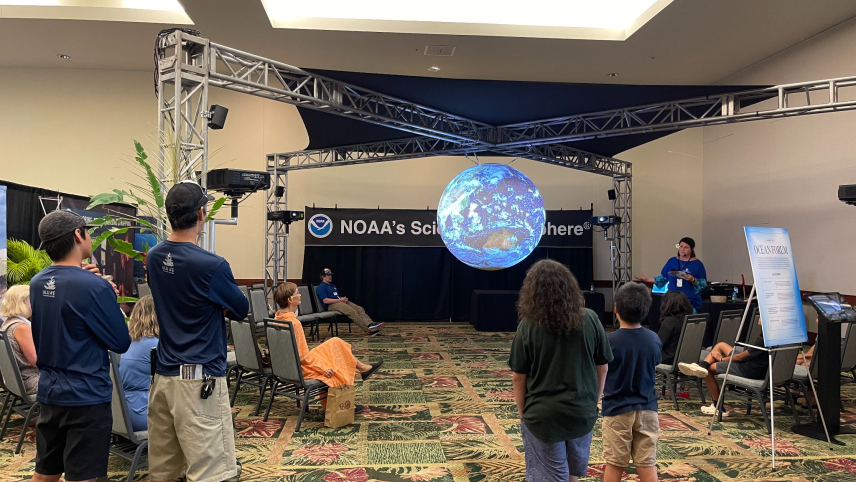
NOAA’s participation in FestPAC successfully fostered community relationships and highlighted the agency’s commitment to integrating scientific and cultural wisdom. The event provided a platform for engaging youth and inspiring future leaders, emphasizing the importance of involving them in discussions and decision-making. The summit's key points underscored the unique opportunity for today’s generation to make a positive impact, promoting a deeper understanding of the long-term consequences of our decisions. This collaboration and engagement have strengthened NOAA’s connection with the people of Hawaiʻi, reinforcing its dedication to environmental stewardship and cultural preservation.
NOAA supports the Polynesian Voyaging Society in Moananuiākea Voyage and outreach
In the summer of 2023, the Polynesian Voyaging Society offsite link (PVS) — a non-profit organization that aims to promote the art and science of traditional Polynesian voyaging –– embarked on a new journey to share the importance of protecting the ocean and Indigenous knowledge. Aboard the traditional Polynesian voyaging canoes Hōkūle‘a and Hikianalia, over 400 crew members will cover 43,000 nautical miles, visiting 36 countries and nearly 100 Indigenous territories by 2027 as part of the Moananuiākea voyage.
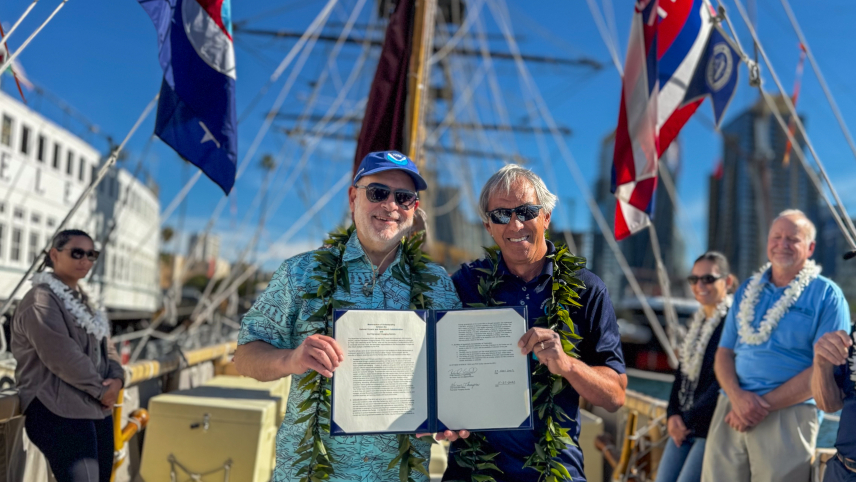
The National Weather Service team in Alaska offered critical weather support during Hōkūlʻeaʻs visit in June of 2023 in preparation for the global launch of Moānanuiākea. To continue this partnership, NOAA and PVS signed a Memorandum of Understanding in the fall of 2023, to carry on collaboration during and beyond the voyage for the next ten years. This agreement facilitated support from Senator Schatz’s office for PVS’s “third canoe,” Waʻa Honua offsite link—a virtual education platform. The partnership between NOAA and PVS has received positive community feedback and strengthened NOAA’s connection with Hawaiʻi, underscoring a commitment to environmental stewardship and cultural preservation.
"This partnership is so important because NOAA has the best eyes and ears on what's happening to the systems of the Earth,” said Nainoa Thompson, CEO, Polynesian Voyaging Society. “We have relied on NOAA for decades, and we're still alive because of them. NOAA is the single most important tool of information to make decisions, and it has kept us out of the storms. As NOAA is watching the Earth, they give us information so we can make better choices, but it's not just about finding islands anymore for us. It's about taking care of the only one we have: The Earth."
During 2024 spring training, NOAA staff at the Honolulu Weather Forecast Office, with support from NOAA’s Pacific Islands Regional Collaboration Team, provided crucial weather updates ensuring crew safety. However, due to El Niño in 2024, PVS postponed the Moananuiākea voyage until March 2025. During this time, PVS launched the Pae ʻĀina or statewide sail, inviting every keiki (child) in Hawaiʻi to engage and connect with Hōkūleʻa. NOAA’s support for these events focused on meaningful community coordination, allowing staff to build pilina (relationships) and promote NOAA’s mission to mālama (care for) for natural and cultural resources. NOAA’s support for these outreach events was guided by community-focused coordination, ensuring the agency’s involvement was meaningful.
Featured accomplishments
NOAA and partners successfully host All-Hazards Workshop
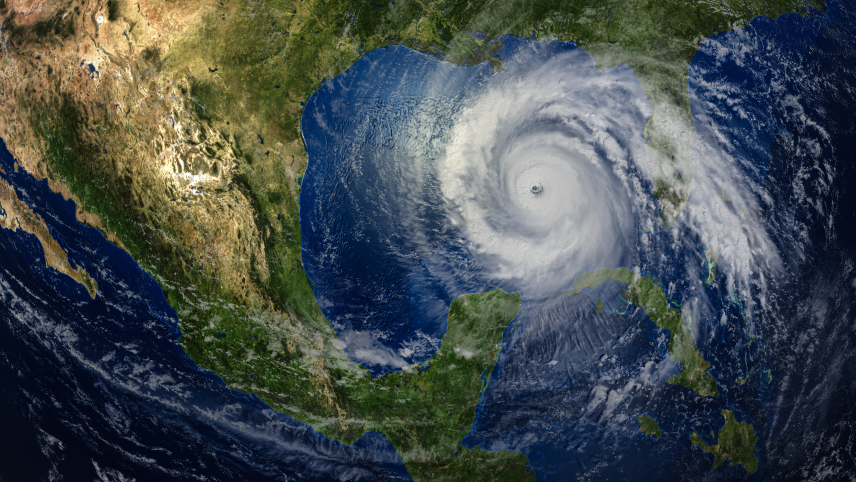
To enhance disaster preparedness and response, NOAA’s Southeast and Caribbean Regional Collaboration Team (SECART) hosted an All-Hazards Workshop aimed at preparing the City of Jacksonville, Florida for the potential impact of a Category 4 hurricane. The workshop, held at the University of North Florida in May 2024, brought together local, state, and federal partners to familiarize them with NOAA's extensive services and capabilities. Participants engaged in a tabletop exercise, simulating a Category 4 hurricane scenario that challenged attendees to strategize their response effectively. The event successfully brought together key partners including local emergency managers and the University of North Florida as well as representatives from NOAA (the National Weather Service in Jacksonville, the Southeast River Forecast Center, and the Office of Coast Survey). Each participant contributed their expertise in disaster management. After the tabletop exercise, participants had the opportunity to tour the Port of Jacksonville and U.S. Coast Guard Station Mayport and consider how those locations might be impacted.
Following the workshop, SECART produced an After Action Report highlighting the outcomes of the tabletop exercise. This report will serve as a critical resource for the City of Jacksonville and NOAA, outlining areas for improvement in disaster preparedness and providing actionable recommendations for future readiness.
NOAA fosters coastal resilience in partnership with Gullah/Geechee Communities
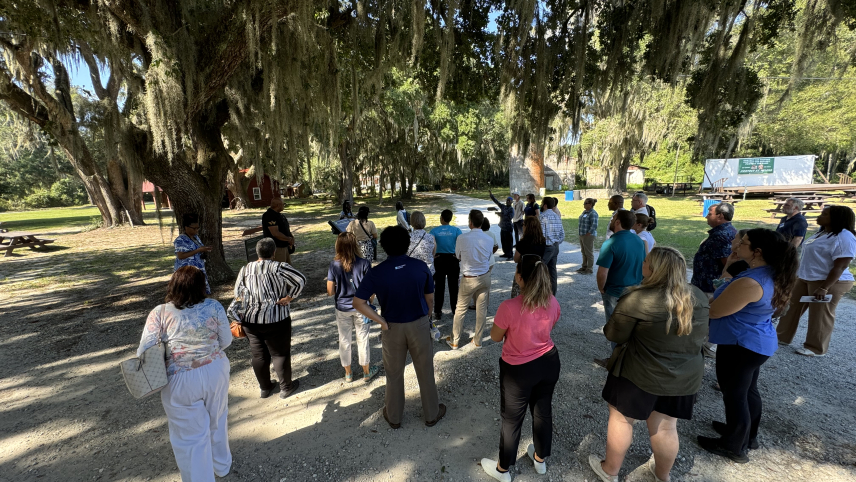
In September 2023, SECART hosted a workshop, bringing together a group of local stakeholders and management professionals to enhance connections to NOAA’s aquaculture efforts in the Southeast. This event included topics such as harmful algal blooms, industry challenges as well as participation of local communities in aquaculture. Additionally, participants were introduced to NOAA monitoring programs such as the Aquaculture Phytoplankton Monitoring Network. Native Gullah/Geechee leaders shared insights into their successes in building capacity to enhance the fishery and aquaculture economy in South Carolina. They also highlighted difficulties associated with cultural practices becoming outlawed by state regulations, creating obstacles for inclusion.
Building on this success, SECART organized a second aquaculture workshop in September 2024, expanding the focus to include coastal resilience amid climate change. This workshop aimed to explore how coastal communities can take the lead on sustainable activities. Discussions covered ongoing NOAA projects related to coastal resilience, the current state of the aquaculture industry, and methods for improving community participation in NOAA citizen science programs.
The workshop gathered state managers from North Carolina, South Carolina, and Georgia, local shellfish cultivators, and Gullah/Geechee community leaders, fostering forward-thinking conversations about the future of aquaculture. Participants engaged in a comprehensive exploration of Gullah/Geechee culture, coastal resilience, sustainable aquaculture, and the role of citizen science in fostering connections, emphasizing interactive discussions and networking opportunities.
SECART coordinates across NOAA to address management and disaster response efforts around Sargassum
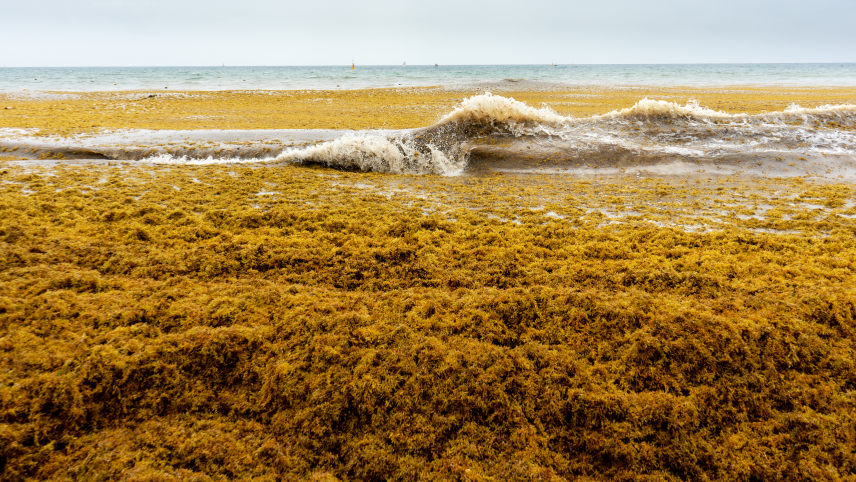
When reports emerged of large amounts of Sargassum–floating brown algae–expected to wash up on U.S. beaches, NOAA made concerted efforts to mitigate impacts on coastal ecosystems and public health. While Sargassum provides food and habitat for many marine species, it can also form harmful mats that damage coral reefs and contain high levels of organic contaminants. To address these issues, SECART initiated a series of meetings with NOAA experts in Sargassum, leading to a better understanding of NOAA’s role in Sargassum management and disaster response.
As a result, SECART released an addendum on Sargassum for the Guide to Integrated NOAA Disaster Resilience in the Southeast and Caribbean in collaboration with NOAA’s Disaster Preparedness Program. The guide enhances coordination of NOAA’s resources for disaster preparedness, response, and recovery, and raises awareness of NOAA’s roles and responsibilities, promoting better coordination during such events with partners. The Sargassum addendum provides contact information and resources of NOAA offices involved in Sargassum disaster management.
Additionally, SECART released the Nearshore Sargassum Management: Policy Analysis and Agency Gaps Assessment offsite link developed in partnership with the National Centers for Coastal Ocean Science and the National Marine Fisheries Service. This document provides an overview of NOAA’s policies in Sargassum management, covering its ecology, distribution, and onshore impacts, U.S. legal designations, current NOAA efforts, and identifies gaps within existing legal and agency frameworks. It also highlights uncertainties regarding Sargassum's transition from a nearshore habitat to a harmful threat, stressing the need for careful response, mitigation, and clean-up efforts to prepare coastal communities for future Sargassum events.
Featured accomplishments
NOAA West Leadership Program celebrates graduation of second cohort
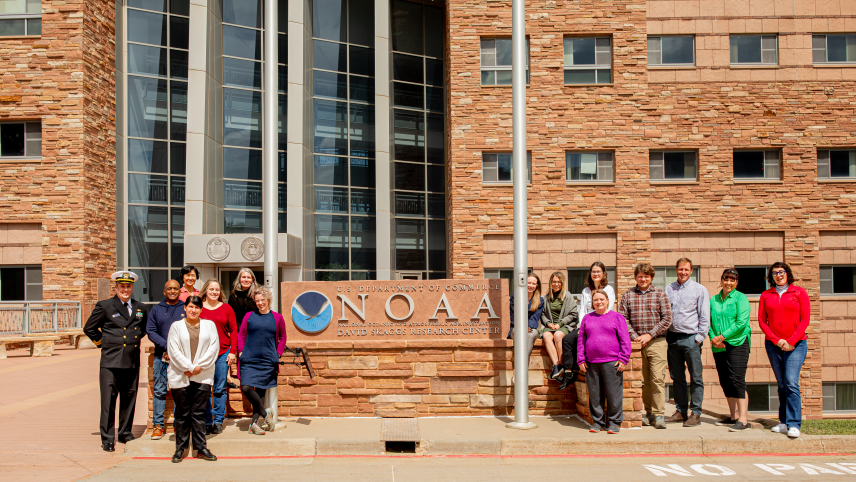
In Spring 2024, the West Regional Collaboration Team celebrated the graduation of the second cohort from the NOAA West Leadership Program (NWLP). This program is designed to support emerging leaders within NOAA’s Western region by focusing on key areas, such as strengthening NOAA culture, fostering regional collaboration, and providing targeted learning opportunities. The program enables participants to develop leadership skills necessary to navigate unique regional challenges collaboratively.
Throughout the program, participants had the opportunity to learn directly from NOAA leaders through a variety of leadership development sessions. They also worked on diverse and meaningful capstone projects, which were specifically crafted to address complex regional challenges while aligning with NOAA West’s broader strategic goals. The capstone projects included the development of a climate action plan for NOAA’s Western Regional Center in Seattle, aimed at enhancing sustainability efforts across the center.
These capstone projects not only addressed critical regional issues, but also demonstrated the participants' ability to lead innovative efforts in support of NOAA’s mission. NWLP will continue to equip NOAA’s future leaders with skills and experiences to better respond to the needs of the agency while driving positive change within the West region.
NOAA inspires and supports Ocean Discovery Institute high school students through a field-based research and ocean leadership program in Baja California, Mexico
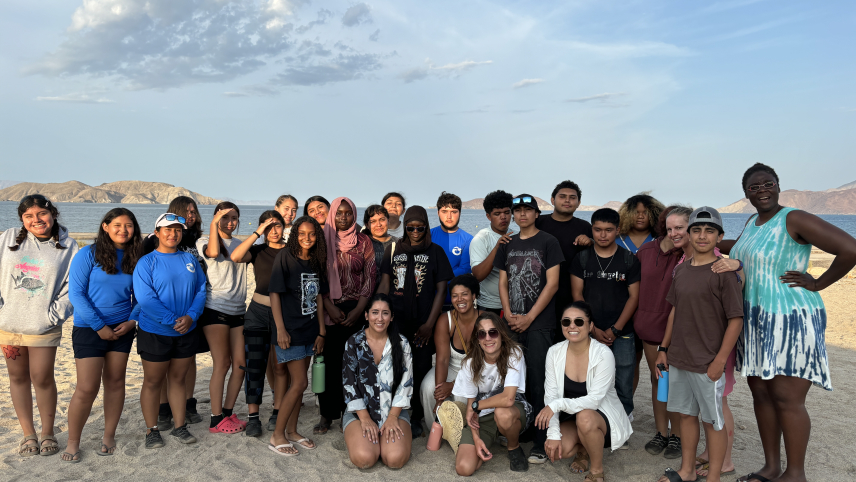
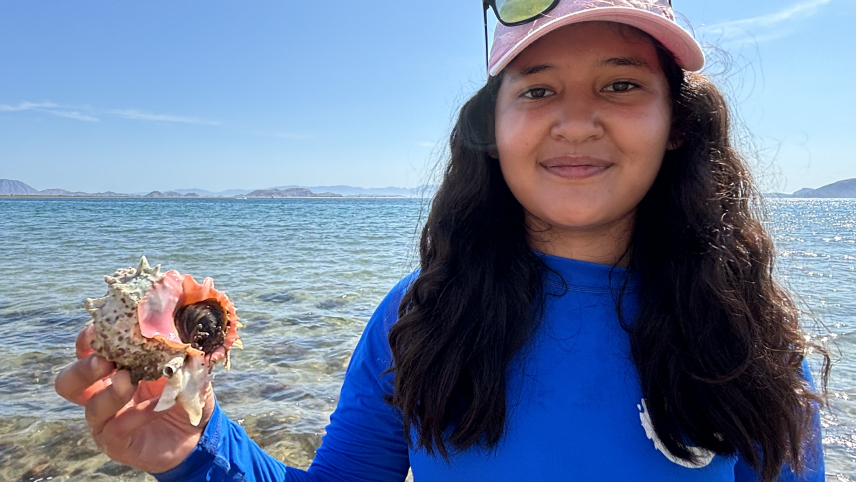
As the next generation of leaders begin to tackle climate-related challenges, NOAA has been making significant strides to mentor, empower, and equip them to improve our environment and support their communities. A long time partner of NOAA, the Ocean Discovery Institute (ODI), a non-profit organization based in San Diego, California, creates learning experiences for students who have been historically excluded from science-related fields due to race or income status. Over the years, ODI brought in NOAA staff to guide and inspire students from K-12th grades to pursue scientific research and careers. In July, Nicole Fernandes, NOAA West Regional Coordinator, Lisa Kim, National Coordinator for NOAA’s Regional Collaboration Network, and other NOAA staff traveled to Baja California, Mexico, to participate in ODI’s “Introduction to Research Science” Ocean Leaders program alongside high school students.
In the program, students participated in an immersive hands-on science research experience in a coastal area while also developing their leadership skills. For a week, Fernandes, Kim, and other mentors guided students through community-building, field research, and self-reflection activities. In the field, students joined local scientists and community science organizations to collect data for ongoing research projects on the surrounding islands, such as monitoring native bird populations and tracking whale shark migration. Fernandes worked with students to make observations, practice formulating hypotheses, collect and analyze data, and draw conclusions. Students were able to gain a deep understanding of the scientific process and understand how NOAA’s scientific mission aligns with the research they helped carry out. “It was a privilege of a lifetime to learn about Baja California’s unique coastal ecosystem alongside high school students, but an even greater privilege to support and learn from them. Their curiosity, commitment, humor, and interest in the world around them was inspirational! NOAA’s investment in young people is preparing them for STEM careers related to our multi-faceted mission,” said Fernandes about her experience.
The NOAA West Regional Collaboration Team will continue to mentor students from ODI and encourage other staff across NOAA to participate in activities that will inspire and empower the next generation of science leaders.
NOAA’s Regional Collaboration Network is comprised of NOAA employees and partners representing the agency’s capabilities across the country.
From Louisa Koch
Dear NOAA Regional Collaboration Network Members and Partners,
On behalf of NOAA’s Regional Collaboration Network (RCN), I am pleased to present our 2024 Accomplishments Report, in which we highlight some of the Network’s most significant achievements that advance NOAA’s mission in the regions.
The RCN is composed of 160 NOAA employees and core partners, serving on eight regional teams across the United States and its Territories. These teams drive initiatives that foster robust collaboration and bring together the agency’s capabilities to enhance our value to the communities with which we engage. I am proud to support the outstanding work accomplished by this dedicated group, who go above and beyond to improve NOAA’s service to the Nation. The RCN continues to bring NOAA services and tools by better connecting NOAA's experts and resources with the communities we serve.
I invite you to join me in expressing gratitude to the RCN for its successful work and encourage you to explore the achievements presented in this Accomplishments Report.
Sincerely,
Louisa Koch
National Team Lead and Director of NOAA Education
2024 Regional Collaboration Network Workshop: Empowering communities by bridging science and tradition
Members of the NOAA Regional Collaboration Network (RCN) gathered in Arizona for their annual workshop where they engaged in hands-on service activities, fostered connections with local community members, and explored impactful climate resilience projects. This year’s workshop spanned across Phoenix, Tucson, and Globe, bringing together over 60 NOAA staff and 50 additional participants, including representatives from more than 25 partner organizations, to address climate-related challenges and solutions in the Southwest.
The workshop kicked off with NOAA in Service activities, which aims to broaden NOAA’s mission of service to include time, energy, and vested interest in the communities the agency serves. NOAA partnered with the Salt River Pima Maricopa Indian Community to restore trails, enhance pollinator gardens, and maintain the Cottonwood Wetland, a shared space for the community. The second NOAA in Service activity helped prepare for the 2024 heat season and connected RCN with a group of organizations, including the Arizona Faith Network, Salt River Project, and Stardust Building Supplies. RCN members assembled over 1,000 heat relief kits that will allow Phoenix’s most vulnerable populations to avoid dehydration, sunburn, and heat exhaustion.
The next day of the workshop, Courtney Draggon, Director of Organizational Excellence at the National Weather Service, and Maren Mahoney, Director of Arizona’s Office of Resilience, led a session focused on Arizona’s extreme heat preparedness plan. Joined by Dr. Eugene Livar and Jenni Botsford from the Arizona Department of Health Services, they presented a community-based approach to extreme heat response. This session highlighted how effective public policy and strategic partnerships enhance community resilience to extreme weather events.
The group also explored academia's role in addressing environmental challenges, facilitated by Arizona State University (ASU). Dr. Vernon Morris, Associate Dean of Knowledge Enterprise and Strategic Outcomes in the New College of Interdisciplinary Arts and Sciences, and Jacob Moore, Special Advisor to ASU President on American Indian Affairs, shared insights on integrating Indigenous knowledge into climate science, noting the value of ASU’s connections with 23 tribes. This session underscored the importance of a collaborative approach that respects traditional knowledge and addresses regional issues like water rights and land use.
Vanessa Escobar, NOAA Pathfinder Initiative Lead, introduced NOAA's data-sharing program, which makes climate data accessible to policymakers and communities. Escobar facilitated a panel discussion with key partners from the state to discuss collaborative efforts centered on improving air quality monitoring, public health decision making, and community engagement, particularly in Maricopa County, Arizona’s most populous county and a region at the forefront of climate adaptation needs.
The workshop continued its focus on extreme heat with Joe Casola, NOAA’s former Regional Climate Service Director for the Western Region, and Katie Krushinski, Training and Exercise Program Manager for NOAA’s Homeland Security Program Office, who detailed the agency’s efforts to mitigate urban heat impacts. Additionally, Hunter Jones, Deputy Director for the Climate and Health Program in NOAA’s Climate Program Office, introduced several new and emerging efforts aimed at addressing the challenges of extreme heat, and showcased how NOAA is advancing extreme heat research and local partnerships.
Participants then traveled to Tucson to visit the National Weather Service (NWS) office and observe a weather balloon launch. This visit also highlighted NWS's partnership with the University of Arizona’s (UA) Hydrology and Atmospheric Sciences department, a collaboration that fosters hands-on learning opportunities for students in atmospheric sciences and hydrology.
The partnership between the NWS and UA not only strengthened educational opportunities, but also established a foundation for long-term academic and professional collaboration. Looking ahead, the partnership aims to expand its range of projects and deepen student participation in advanced research and community initiatives, continually supporting their growth in atmospheric science.
During a visit to the UA’s Laboratory of Tree Ring Research (LTRR), participants gained insight into this world-renowned center for dendrochronology—the study of tree rings. RCN members learned how LTRR leverages data within tree rings to decode complex interactions between Earth's climate, ecosystems, and societies over time.
The participants then traveled to Globe, Arizona where RCN members connected with the San Carlos Apache Tribe to discuss climate challenges and regional water rights. San Carlos tribal attorney, Steve Titla, expressed the importance of sustained partnerships with federal agencies like NOAA, particularly in addressing complex water distribution issues on the Gila River. The meeting concluded with a traditional Apache blessing, emphasizing the shared commitment to future collaborations.
The workshop wrapped up at the Griffin Cattle Ranch, a family cattle ranch that was established in the early 1900s, where participants gained firsthand insights into adaptive ranching practices in arid climates. The Griffin family demonstrated sustainable grazing techniques and discussed how NOAA’s data informs their operations in drought-prone conditions. UA Agricultural Extension agents then guided participants through vegetation health measurements, revealing how monitoring helps sustain both the cattle and the land.
This year's RCN workshop underscored NOAA's commitment to addressing climate challenges through partnerships that embrace traditional knowledge, academic research, and community engagement. As the Southwest faces growing climate pressures, NOAA's collaborations with local communities, Indigenous groups, and research institutions will remain crucial in building resilience and protecting ecosystems.
Featured accomplishments
NOAA works with other agencies to enhance disaster preparedness in Alaska
On April 16-18, members of NOAA Alaska Regional Collaboration Team’s disaster preparedness and response working group participated in the Federal Emergency Management Agency’s AlaskaEx 2024 Rehearsal of Concept Exercise in Anchorage, Alaska. The exercise focused on placing resources in designated areas as well as moving and distributing those resources to communities in Alaska during the first six days following a catastrophic event. Participants from the Department of Defense (DoD), state and federal agencies, local communities, and the private sector, tackled the simulation of a significant 9.2 earthquake and the ensuing tectonic tsunami.
The exercise highlighted NOAA's role in outlining initial operations and mission assignments, such as how the agency would collaborate with the DoD to provide essential weather support for airlifts and the United States Coast Guard to establish safe maritime routes for vessel traffic. This exercise provided invaluable insights which will guide future initiatives to enhance NOAA’s disaster response capabilities, focusing on the agency’s priorities to strengthen resilience and ensure its pivotal role in safeguarding Alaska’s communities during catastrophic events.
Alaska hosts NOAA’s NextGen Satellite Workshop to address Alaskan needs
From September 10-12, the NOAA Alaska NextGen Satellite Workshop connected Alaskans with satellite product developers to discuss data and services vital for informed decision-making, particularly in rural communities. With support from the Alaska Regional Collaboration Team and NOAA’s National Environmental Satellite, Data, and Information Service (NESDIS), Jessica Cherry, NOAA’s Regional Climate Services Director for Alaska, and Jennifer Delamere, Director of the University of Alaska Fairbanks' Geographic Information Network for Alaska, co-organized the workshop, which attracted over 105 participants.
This story-driven event highlighted Alaska-specific needs for satellite data in weather, flooding, and other hazards, as well as marine, aviation, and climate applications. Participants engaged in role-playing exercises and attended a panel on education and workforce development. The Anchorage Museum provided a unique venue, where curators shared insights on historic airborne photography of Alaska's cryosphere, which includes frozen parts of the ocean, and exhibits on survival technologies of Alaska's Indigenous people.
The workshop fostered new partnerships and collaborations, culminating in a written report outlining specific needs from the satellite science community for Alaskans. This increased understanding of life in rural Alaska will guide future initiatives. NESDIS leadership, along with Cherry and Delamere, are developing a final report and strategic plan to ensure that the workshop’s insights and partnerships have a lasting impact.
NOAA engages in strategic discussions at Alaska Symposium to enhance federal infrastructure efforts
To better engage the Alaskan communities in infrastructure efforts, NOAA’s Alaska Regional Collaboration Team took part in multiple events throughout the state, such as the Alaska Infrastructure Development Symposium offsite link and the Alaska Municipal League Annual Local Government Conference offsite link.
The Symposium provided an opportunity for stakeholders to review progress, exchange insights on federal infrastructure investments in Alaska, and strategize on maximizing future funding opportunities. The event also emphasized active engagement and coordination to ensure Alaska fully benefits from federal resources. The Alaska Regional Coordinator highlighted recent funding awards and upcoming grant competitions providing insight into NOAA's efforts to support resilience and development in Alaska's communities. Local and Tribal leaders were key contributors to the discussions to ensure that the needs and perspectives of the full range of Alaska’s communities were well-represented.
In addition, the team participated in a panel discussion at the Alaska Municipal League Annual Local Government Conference in Anchorage, where they addressed local challenges, community resilience, and the benefits brought by federal programs. The team emphasized the importance of these programs and brought awareness about new economic opportunities for Alaskan communities to tackle urgent issues, such as coastal erosion and infrastructure gaps in remote areas. NOAA’s involvement in these local events underscored the importance of coordinated efforts in overcoming the state’s distinct infrastructure challenges and building a stronger, more resilient Alaska.
Featured accomplishments
NOAA’s Central Regional Collaboration Team continues leading the Mississippi River Basin Nutrient Runoff Working Group
An ongoing issue impacting the Mississippi River Basin is nutrient runoff, which is when excess nutrients from fertilizers applied to crops or lawns are washed away during rainstorms and can end up in water systems. To raise awareness, NOAA’s Central Regional Collaboration Team maintained its leadership role in coordinating the Mississippi River Basin Nutrient Runoff Working Group. The working group, which brings people together from across NOAA, university partners, and other organizations, plays an important role in addressing nutrient runoff challenges by fostering cooperation and filling knowledge gaps. One of the group’s top priorities is to develop a basin-wide collaborative network, strengthen ties among NOAA programs, and expand outreach on nutrient runoff issues and resources.
The working group has been instrumental in facilitating collaboration among NOAA’s regional subject matter experts (SMEs) focused on climate, hydrology, and nutrient runoff, ensuring seamless connectivity within the agency. By regularly convening these SMEs, this group enhanced the sharing of information and resources and strengthened NOAA’s ability to address the needs of the Mississippi River Basin in a coordinated and comprehensive manner. To increase awareness of organizations, activities, and opportunities related to nutrient runoff throughout the basin, the working group published a quarterly bulletin which was shared with stakeholders and the public. Additionally, it evaluated and strategically expanded its membership to ensure broader representation from key regional partners.
With growing interest in Mississippi River Basin activities, the team is also working to coordinate an information network of NOAA staff to facilitate interagency collaboration and respond to data requests. Through this cross-regional approach, NOAA is working to build stronger ties across its programs and respond to the complex environmental needs of the Mississippi River Basin, particularly as nutrient runoff remains a growing concern for the river system.
Empowering well-being: NOAA employees share stories of mental health
In recognition of Mental Health Awareness Month, the NOAA Central Regional Collaboration Team released the third issue of We’re All in This Together: Real Stories of Well-being, an internal StoryMap aimed at normalizing discussions around mental health. This resource highlights the personal stories of NOAA employees from the National Weather Service and the National Environmental Satellite, Data, and Information Service, offering insights into their mental health journeys.
This StoryMap features short interviews with NOAA employees sharing their experiences on the tools they’ve used to improve and manage their mental health. Each story reflects the unique challenges and resilience of individuals within the agency, with the goal of cultivating a culture where mental health and well-being are openly discussed and supported.
This resource was created not only as a way to raise awareness, but to also serve as a reminder that no one is alone in facing challenges. It also provides an extensive list of resources available to support NOAA staff in need. The Real Stories of Well-being series has received positive feedback throughout the agency, and employees have expressed they have felt encouraged to explore other mental health resources and empowered to reach out when support is needed.
Featured accomplishments
Integrating climate science into Great Lakes management plans
With more than 30 million people in the U.S. and Canada relying on the Great Lakes for drinking water, managing water quality for the Lakes is a critical task. To tackle this, both countries signed the Great Lakes Water Quality Agreement (GLWQA), formalizing the commitment to restore and protect the waters of the Great Lakes, and creating Lakewide Action and Management Plans (LAMPs) that address management challenges for each Lake. With support from NOAA’s Great Lakes Regional Collaboration Team, GLISA offsite link, which is one of 12 NOAA Climate Adaptation Partnership teams, led efforts to integrate climate science into the Lake Erie LAMP, which marked the first systematic inclusion of climate change into a LAMP.
Building on this success, GLISA is now partnering with NOAA and the U.S. Environmental Protection Agency to incorporate climate science into the Lake Michigan LAMP. This collaboration will ensure that the most recent assessments of climate change, current trends, and projected future impacts are included in the plan, fostering a more comprehensive approach to managing the lake's ecosystem health. The integration of climate science into the Lake Michigan LAMP will enhance the effectiveness of the GLWQA, providing a robust framework for addressing climate change impacts on the Great Lakes. Additionally, it will increase understanding and resilience, guiding future initiatives to protect and restore the ecosystem health of Lake Michigan and its connecting river systems.
Students create report to strengthen collaboration on Great Lakes Marine Protected Areas
Across the United States, there are about 1,000 Marine Protected Areas (MPAs), including those within the Great Lakes, dedicated to protecting coastal, ocean, and Great Lakes habitats. Understanding the importance of MPAs, NOAA’s Great Lakes Regional Collaboration Team supported a team of Master’s students from the University of Michigan's School for Environment and Sustainability to create a report that would help NOAA and Parks Canada offsite link assess the values of MPAs and to explore strategies to develop a more cohesive, collaborative, and effective Great Lakes MPA network.
NOAA and Parks Canada acted as the client organizations for this project, guiding and supporting the student team in their research and analysis. The students evaluated the current MPA network, focusing on its ecological, social, and economic impacts. They conducted in-depth assessments and engaged with various stakeholders to gather data on the values and benefits provided by the existing MPAs. Furthermore, the students explored best practices and innovative approaches to strengthen collaboration between NOAA and Parks Canada, aiming to enhance the effectiveness of the MPA network.
The project culminated in a detailed report, highlighting key findings and offering actionable recommendations for improving the Great Lakes MPA network. The Great Lakes Federal Marine Protected Areas: Designating and Managing for Success offsite link report emphasized the need for a unified approach to MPA management, highlighting opportunities for increased cooperation and shared resources between NOAA and Parks Canada. This collaboration not only provided valuable insights for both agencies but also fostered new partnerships and contributed to the ongoing efforts to protect and preserve the Great Lakes ecosystem.
Great Lakes Restoration Initiative: a collaborative blueprint for freshwater conservation
To protect and restore one of the largest freshwater ecosystems in the world, NOAA and other federal agencies collaborate with the U.S. Environmental Protection Agency to implement the Great Lakes Restoration Initiative (GLRI). Administered by NOAA's Great Lakes Regional Collaboration Team (GLRCT), NOAA’s GLRI program received $19.6 million in fiscal year 2024.
Several key projects have been implemented under the GLRI, including the completion of the Powderhorn Lake restoration near the Illinois and Indiana border, which restored 192 acres of wetland habitat, 630 linear feet of stream habitat, and 45 acres of native vegetation. Additionally, GLRI funds supported a winter and under-ice monitoring initiative in the Great Lakes that has gathered valuable data on lake conditions during colder months and provided management groups with key results that informed the development of their sustainable fishery objectives and strategies.
Most recently, NOAA contributed to the development of the GLRI Action Plan IV (APIV) through a multi-year, interagency process. Set to guide GLRI efforts for the next five years, the final plan was released in early FY25. This comprehensive blueprint underscores the collaborative approach needed to address the critical challenges facing the Great Lakes ecosystem and promote continued collaborative efforts and innovative strategies to drive significant improvements to freshwater resources.
Featured accomplishments
NOAA met with congressional staff to raise awareness about key issues in Alabama and Mississippi
This year, NOAA provided an informative opportunity for congressional staff to gain insights into the agency's roles and responsibilities. The virtual workshop took place on June 14 and highlighted issues pertinent to Alabama and Mississippi. Participants engaged in discussions centered around the upcoming hurricane season–emphasizing inland rather than coastal impacts, and the importance of ports, Physical Oceanographic Real-Time System (PORTS), and Marine Channels Forecasts, particularly in Mobile, Alabama.
The workshop attendees included eight congressional staff members representing the offices of Senator Roger Wicker (Mississippi), Senator Katie Britt (Alabama), and Representative Trent Kelly (Rep-MS). Attendees expressed their gratitude for NOAA’s contributions to the discussed topics and recognized the agency as a valuable federal partner. The conversation also led to follow-up connections with local Weather Forecast Offices to facilitate future outreach efforts and to provide constituents with essential materials on hurricane preparedness.
This engagement showcased how NOAA’s products, information, and services are utilized by local partners in specific states, sub-regions, and congressional districts and establish stronger connections with NOAA and its partners within congressional districts.
NOAA highlights Tribal engagement and climate adaptation in the Gulf of America
In collaboration with the Pointe-au-Chien Indian Tribe (PACIT) of Southeast Louisiana and Louisiana Sea Grant, the Gulf of America Regional Collaboration Team (GoARCT) led a session focused on Tribal engagement at the 2024 Gulf of Mexico Conference (GOMCON) offsite link. The conference, held in Tampa, Florida, gathered over 1,000 coastal scientists and stakeholders from state and federal government, academia, non-profit organizations, and the private sector to discuss ongoing research. With a focus on the intersection of science, policy, and management, the conference featured sessions on key themes such as ecosystem resilience, community adaptation, restoration, and natural resource management.
GoARCT facilitated conversations on Tribal engagement, communication, and partnerships in support of community decision-making in the Gulf of America region. Louisiana Sea Grant also presented the Tribal version of the Coastal Resilience Index, which is tailored for use with coastal Indigenous communities in the Gulf region. This tool was designed to support coastal hazard preparedness and resilience planning by incorporating local knowledge and priorities into decision-making processes. The session also featured stories of connection and collaboration between academia and the Jean Charles Choctaw Nation and between the Poarch Band of Creek Indians and the Environmental Protection Agency
Through active discussions in this well-attended session, GoARCT highlighted the growing need for inclusive, community-driven approaches in addressing the region’s environmental challenges, promoting stronger partnerships to advance sustainable solutions. By focusing on equitable adaptation strategies and meaningful community engagement, the session showcased how collaborative efforts can enhance community resilience in the Gulf of America.
Featured accomplishments
NOAA brings Ocean Careers Discovery to students in Connecticut and Maryland
Throughout the summer, NOAA hosted a series of Ocean Careers Discovery events that engaged students from underserved communities and fostered connections with NOAA experts on ocean-related topics. NOAA staff visited with students in the Mystic Seaport Museum’s Maritime Adventure Program offsite link, which helps high school youth develop leadership and life skills through experiential maritime education. The events featured presentations from NOAA scientists and hands-on learning experiences.
The following day, NOAA visited Project Oceanology in Groton, Connecticut, a NOAA Bay Watershed Education and Training Program grantee and a non-profit research facility focused on marine education. Summer day campers in grades 4-6 and high school students participated in activities, learning about ocean science and environmental stewardship. NOAA distributed rain gauges, a tool that measures the amount of precipitation in a specified time period, to students and partners as part of this engagement effort.
In the fall, NOAA continued its outreach with a career event at the University of Maryland-Baltimore County, where over 25 undergraduate and graduate students explored career paths in ocean science and received career development guidance. In addition, NOAA joined Mystic Watershed Urban Waters Federal Partnership’s Canoe Mobile event, guiding 200 middle school students on river excursions and leading hands-on science activities to foster environmental awareness. Hosted in Somerville and Everett, Massachusetts, NOAA’s interactive stations introduced students to marine habitats, coastal mapping, and conservation.
NOAA’s North Atlantic Regional Collaboration Team (NART) is also working to expand its engagement by leveraging partnerships with organizations like the City University of New York and planning career development workshops, mentoring, and training opportunities to support underrepresented communities.
NOAA in the North Atlantic focuses on Tribes and their environmental and health priorities
The North Atlantic Regional Collaboration Team (NART) organized a regional Tribal Engagement Community of Practice (CoP) that has made significant strides in fostering collaboration with local Tribes and understanding their needs in the region. The CoP held three key meetings throughout the year with a focus on coordinating NOAA’s engagement with tribal nations in the region and growing NOAA’s understanding of tribal priorities. The Passamaquoddy Tribe offsite link presented on the environmental and cultural significance regarding the Milltown Dam project, which aims to upgrade dam structure to allow for easier passage of sea-run fish species.
Throughout the summer and fall, Michael Stover, NART Tribal Engagement Program Coordinator, accompanied by CoP representatives, visited 15 Tribes across the North Atlantic region. These visits gathered information on each Tribe’s environmental goals and shared NOAA’s tools and resources, along with those from NOAA-funded partners. In addition, meetings with Tribal health directors were conducted to discuss the connection between climate and public health. The CoP participated in two Tribal health fairs in Maine, providing educational materials on climate change, extreme weather preparedness, and public health awareness.
Looking ahead, the NART is working to further streamline communication among CoP members, with plans to develop a tribal engagement tracker that would allow members to share Tribal-related activities.
Featured accomplishments
NOAA engages with Pacific Islands communities at the Festival of Pacific Arts and Culture
The 13th Festival of Pacific Arts and Culture offsite link (FestPAC), the world’s largest celebration of Indigenous Pacific Islanders, was hosted for the first time in Hawaiʻi from June 6-16, 2024. This event provided a unique platform to highlight and celebrate the rich cultural heritage and traditional knowledge of Pacific Island communities. NOAA’s Pacific Islands Regional Collaboration Team coordinated the agency’s involvement in FestPAC, ensuring meaningful engagement with the community.
One of the key events of FestPAC was the Mālama Honua Ocean Summit, convened by the Polynesian Voyaging Society offsite link (PVS). The summit, themed "Redefining the Relationship Between Science & Culture Towards Protecting Our Island Earth," featured discussions led by prominent figures such as the NOAA Administrator, Dr. Rick Spinrad, PVS CEO, Nainoa Thompson, and oceanographer, explorer, and founder of Mission Blue, Dr. Sylvia Earle. These discussions emphasized the integration of Indigenous values with scientific observations and the role of storytelling to inspire action.
Additionally, NOAA hosted interactive programs and opportunities in the Ocean Forum Room, which was a space dedicated to engage on issues and topics related to ocean cultures, arts, and sciences of the Pacific Island communities. Thousands of people representing 28 Pacific communities and nations shared stories with NOAA staff to learn about marine protected areas in the Pacific region. They also participated in a live, interactive mural painting by local artist, Aubrey Matsuura, and listened to more than 30 presentations from local NOAA staff and scientists, who projected global data to visualize planetary, historical, and cultural data on NOAA’s Science on a Sphere. Topics included coral research and monitoring, maritime and cultural history of American Samoa, ocean expeditions and deep sea exploration, climate change, and sea level rise.
NOAA’s participation in FestPAC successfully fostered community relationships and highlighted the agency’s commitment to integrating scientific and cultural wisdom. The event provided a platform for engaging youth and inspiring future leaders, emphasizing the importance of involving them in discussions and decision-making. The summit's key points underscored the unique opportunity for today’s generation to make a positive impact, promoting a deeper understanding of the long-term consequences of our decisions. This collaboration and engagement have strengthened NOAA’s connection with the people of Hawaiʻi, reinforcing its dedication to environmental stewardship and cultural preservation.
NOAA supports the Polynesian Voyaging Society in Moananuiākea Voyage and outreach
In the summer of 2023, the Polynesian Voyaging Society offsite link (PVS) — a non-profit organization that aims to promote the art and science of traditional Polynesian voyaging –– embarked on a new journey to share the importance of protecting the ocean and Indigenous knowledge. Aboard the traditional Polynesian voyaging canoes Hōkūle‘a and Hikianalia, over 400 crew members will cover 43,000 nautical miles, visiting 36 countries and nearly 100 Indigenous territories by 2027 as part of the Moananuiākea voyage.
The National Weather Service team in Alaska offered critical weather support during Hōkūlʻeaʻs visit in June of 2023 in preparation for the global launch of Moānanuiākea. To continue this partnership, NOAA and PVS signed a Memorandum of Understanding in the fall of 2023, to carry on collaboration during and beyond the voyage for the next ten years. This agreement facilitated support from Senator Schatz’s office for PVS’s “third canoe,” Waʻa Honua offsite link—a virtual education platform. The partnership between NOAA and PVS has received positive community feedback and strengthened NOAA’s connection with Hawaiʻi, underscoring a commitment to environmental stewardship and cultural preservation.
"This partnership is so important because NOAA has the best eyes and ears on what's happening to the systems of the Earth,” said Nainoa Thompson, CEO, Polynesian Voyaging Society. “We have relied on NOAA for decades, and we're still alive because of them. NOAA is the single most important tool of information to make decisions, and it has kept us out of the storms. As NOAA is watching the Earth, they give us information so we can make better choices, but it's not just about finding islands anymore for us. It's about taking care of the only one we have: The Earth."
During 2024 spring training, NOAA staff at the Honolulu Weather Forecast Office, with support from NOAA’s Pacific Islands Regional Collaboration Team, provided crucial weather updates ensuring crew safety. However, due to El Niño in 2024, PVS postponed the Moananuiākea voyage until March 2025. During this time, PVS launched the Pae ʻĀina or statewide sail, inviting every keiki (child) in Hawaiʻi to engage and connect with Hōkūleʻa. NOAA’s support for these events focused on meaningful community coordination, allowing staff to build pilina (relationships) and promote NOAA’s mission to mālama (care for) for natural and cultural resources. NOAA’s support for these outreach events was guided by community-focused coordination, ensuring the agency’s involvement was meaningful.
Featured accomplishments
NOAA and partners successfully host All-Hazards Workshop
To enhance disaster preparedness and response, NOAA’s Southeast and Caribbean Regional Collaboration Team (SECART) hosted an All-Hazards Workshop aimed at preparing the City of Jacksonville, Florida for the potential impact of a Category 4 hurricane. The workshop, held at the University of North Florida in May 2024, brought together local, state, and federal partners to familiarize them with NOAA's extensive services and capabilities. Participants engaged in a tabletop exercise, simulating a Category 4 hurricane scenario that challenged attendees to strategize their response effectively. The event successfully brought together key partners including local emergency managers and the University of North Florida as well as representatives from NOAA (the National Weather Service in Jacksonville, the Southeast River Forecast Center, and the Office of Coast Survey). Each participant contributed their expertise in disaster management. After the tabletop exercise, participants had the opportunity to tour the Port of Jacksonville and U.S. Coast Guard Station Mayport and consider how those locations might be impacted.
Following the workshop, SECART produced an After Action Report highlighting the outcomes of the tabletop exercise. This report will serve as a critical resource for the City of Jacksonville and NOAA, outlining areas for improvement in disaster preparedness and providing actionable recommendations for future readiness.
NOAA fosters coastal resilience in partnership with Gullah/Geechee Communities
In September 2023, SECART hosted a workshop, bringing together a group of local stakeholders and management professionals to enhance connections to NOAA’s aquaculture efforts in the Southeast. This event included topics such as harmful algal blooms, industry challenges as well as participation of local communities in aquaculture. Additionally, participants were introduced to NOAA monitoring programs such as the Aquaculture Phytoplankton Monitoring Network. Native Gullah/Geechee leaders shared insights into their successes in building capacity to enhance the fishery and aquaculture economy in South Carolina. They also highlighted difficulties associated with cultural practices becoming outlawed by state regulations, creating obstacles for inclusion.
Building on this success, SECART organized a second aquaculture workshop in September 2024, expanding the focus to include coastal resilience amid climate change. This workshop aimed to explore how coastal communities can take the lead on sustainable activities. Discussions covered ongoing NOAA projects related to coastal resilience, the current state of the aquaculture industry, and methods for improving community participation in NOAA citizen science programs.
The workshop gathered state managers from North Carolina, South Carolina, and Georgia, local shellfish cultivators, and Gullah/Geechee community leaders, fostering forward-thinking conversations about the future of aquaculture. Participants engaged in a comprehensive exploration of Gullah/Geechee culture, coastal resilience, sustainable aquaculture, and the role of citizen science in fostering connections, emphasizing interactive discussions and networking opportunities.
SECART coordinates across NOAA to address management and disaster response efforts around Sargassum
When reports emerged of large amounts of Sargassum–floating brown algae–expected to wash up on U.S. beaches, NOAA made concerted efforts to mitigate impacts on coastal ecosystems and public health. While Sargassum provides food and habitat for many marine species, it can also form harmful mats that damage coral reefs and contain high levels of organic contaminants. To address these issues, SECART initiated a series of meetings with NOAA experts in Sargassum, leading to a better understanding of NOAA’s role in Sargassum management and disaster response.
As a result, SECART released an addendum on Sargassum for the Guide to Integrated NOAA Disaster Resilience in the Southeast and Caribbean in collaboration with NOAA’s Disaster Preparedness Program. The guide enhances coordination of NOAA’s resources for disaster preparedness, response, and recovery, and raises awareness of NOAA’s roles and responsibilities, promoting better coordination during such events with partners. The Sargassum addendum provides contact information and resources of NOAA offices involved in Sargassum disaster management.
Additionally, SECART released the Nearshore Sargassum Management: Policy Analysis and Agency Gaps Assessment offsite link developed in partnership with the National Centers for Coastal Ocean Science and the National Marine Fisheries Service. This document provides an overview of NOAA’s policies in Sargassum management, covering its ecology, distribution, and onshore impacts, U.S. legal designations, current NOAA efforts, and identifies gaps within existing legal and agency frameworks. It also highlights uncertainties regarding Sargassum's transition from a nearshore habitat to a harmful threat, stressing the need for careful response, mitigation, and clean-up efforts to prepare coastal communities for future Sargassum events.
Featured accomplishments
NOAA West Leadership Program celebrates graduation of second cohort
In Spring 2024, the West Regional Collaboration Team celebrated the graduation of the second cohort from the NOAA West Leadership Program (NWLP). This program is designed to support emerging leaders within NOAA’s Western region by focusing on key areas, such as strengthening NOAA culture, fostering regional collaboration, and providing targeted learning opportunities. The program enables participants to develop leadership skills necessary to navigate unique regional challenges collaboratively.
Throughout the program, participants had the opportunity to learn directly from NOAA leaders through a variety of leadership development sessions. They also worked on diverse and meaningful capstone projects, which were specifically crafted to address complex regional challenges while aligning with NOAA West’s broader strategic goals. The capstone projects included the development of a climate action plan for NOAA’s Western Regional Center in Seattle, aimed at enhancing sustainability efforts across the center.
These capstone projects not only addressed critical regional issues, but also demonstrated the participants' ability to lead innovative efforts in support of NOAA’s mission. NWLP will continue to equip NOAA’s future leaders with skills and experiences to better respond to the needs of the agency while driving positive change within the West region.
NOAA inspires and supports Ocean Discovery Institute high school students through a field-based research and ocean leadership program in Baja California, Mexico
As the next generation of leaders begin to tackle climate-related challenges, NOAA has been making significant strides to mentor, empower, and equip them to improve our environment and support their communities. A long time partner of NOAA, the Ocean Discovery Institute (ODI), a non-profit organization based in San Diego, California, creates learning experiences for students who have been historically excluded from science-related fields due to race or income status. Over the years, ODI brought in NOAA staff to guide and inspire students from K-12th grades to pursue scientific research and careers. In July, Nicole Fernandes, NOAA West Regional Coordinator, Lisa Kim, National Coordinator for NOAA’s Regional Collaboration Network, and other NOAA staff traveled to Baja California, Mexico, to participate in ODI’s “Introduction to Research Science” Ocean Leaders program alongside high school students.
In the program, students participated in an immersive hands-on science research experience in a coastal area while also developing their leadership skills. For a week, Fernandes, Kim, and other mentors guided students through community-building, field research, and self-reflection activities. In the field, students joined local scientists and community science organizations to collect data for ongoing research projects on the surrounding islands, such as monitoring native bird populations and tracking whale shark migration. Fernandes worked with students to make observations, practice formulating hypotheses, collect and analyze data, and draw conclusions. Students were able to gain a deep understanding of the scientific process and understand how NOAA’s scientific mission aligns with the research they helped carry out. “It was a privilege of a lifetime to learn about Baja California’s unique coastal ecosystem alongside high school students, but an even greater privilege to support and learn from them. Their curiosity, commitment, humor, and interest in the world around them was inspirational! NOAA’s investment in young people is preparing them for STEM careers related to our multi-faceted mission,” said Fernandes about her experience.
The NOAA West Regional Collaboration Team will continue to mentor students from ODI and encourage other staff across NOAA to participate in activities that will inspire and empower the next generation of science leaders.