



Official websites use .gov
A .gov website belongs to an official government organization in the United States.

Secure .gov websites use HTTPS
A lock () or https:// means you’ve safely connected to the .gov website. Share sensitive information only on official, secure websites.
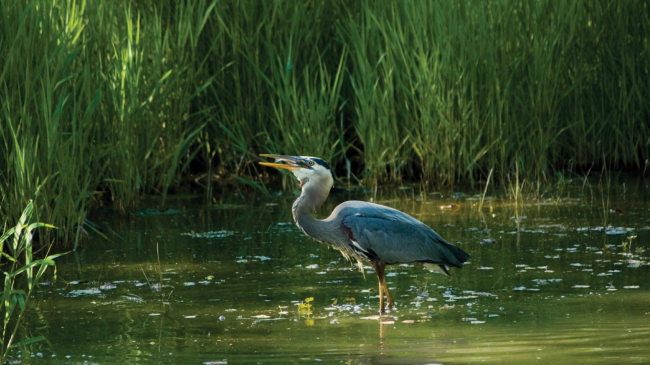
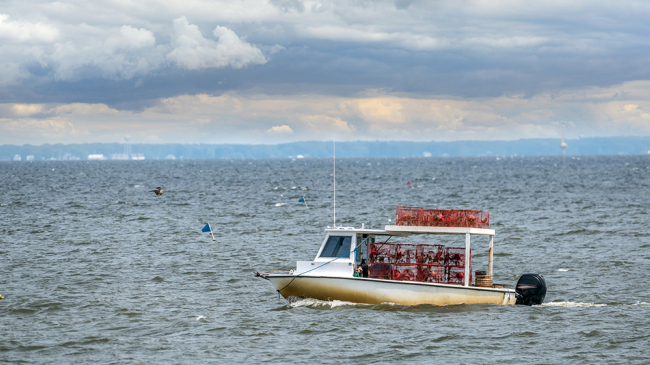
Estuaries are areas of water and shoreline where rivers meet the ocean or another large body of water, such as one of the Great Lakes. Organisms that live in estuaries must be adapted to these dynamic environments, where there are variations in water chemistry including salinity, as well as physical changes like the rise and fall of tides. Despite these challenges, estuaries are also very productive ecosystems. They receive nutrients from both bodies of water and can support a variety of life. Because of their access to food, water, and shipping routes, people often live near estuaries and can impact the health of the ecosystem.
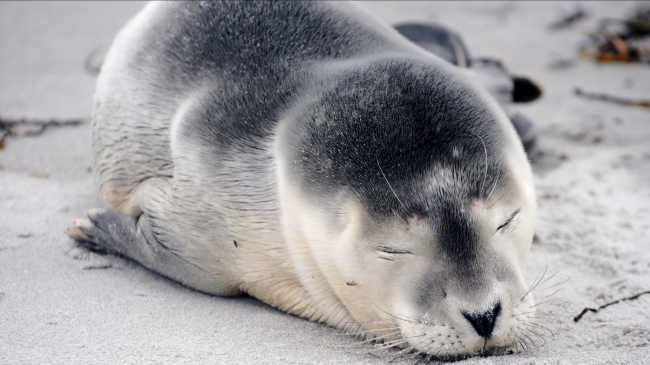
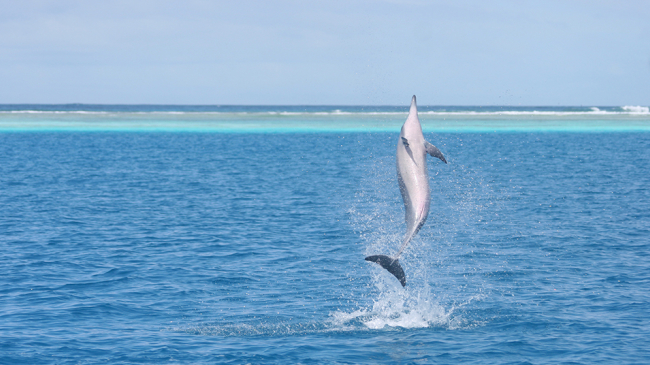
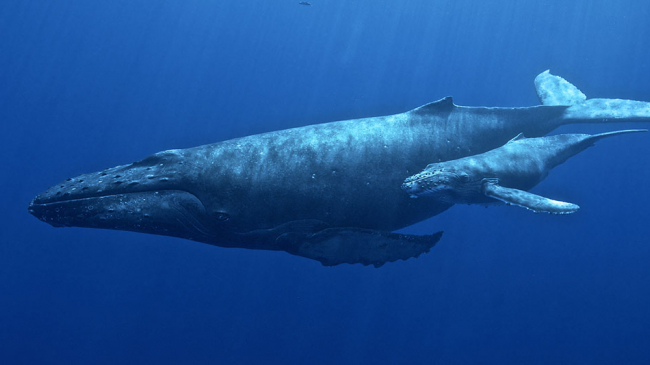
Marine mammals are found in marine ecosystems around the globe. They are a diverse group of mammals with unique physical adaptations that allow them to thrive in the marine environment with extreme temperatures, depths, pressure, and darkness. Marine mammals are classified into four different taxonomic groups: cetaceans (whales, dolphins, and porpoises), pinnipeds (seals, sea lions, and walruses), sirenians (manatees and dugongs), and marine fissipeds (polar bears and sea otters).
-John%20Weller%20photography-1125x550-112316-Landscapebb97.jpg?itok=lZgrCAkK "Minke whale in the Ross Sea, Antarctica. (Image credit: John Weller Photography)")