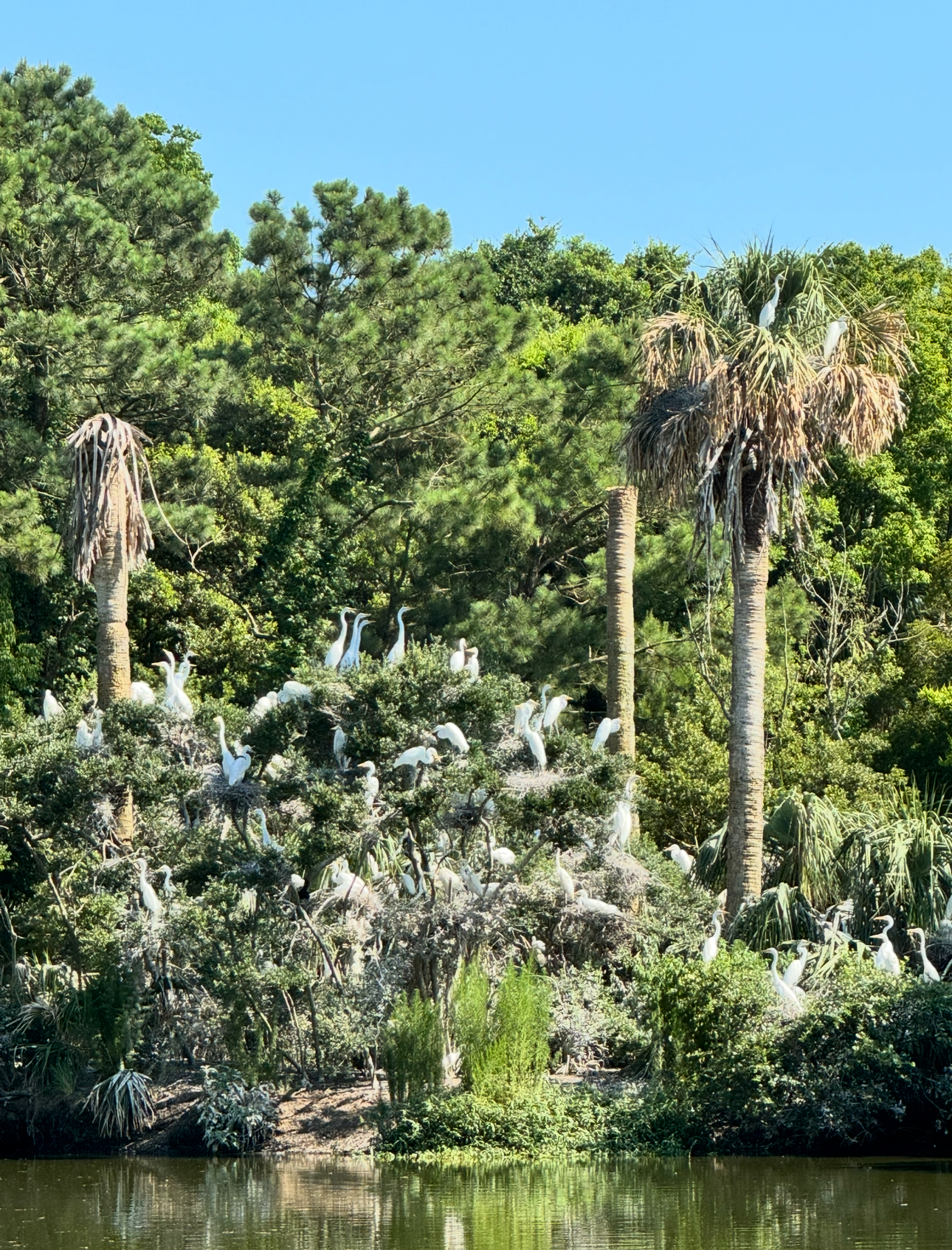

Hello! I’m Jaida Rhea, a 2023 NOAA Hollings scholar with a passion for science communication and environmental conservation. During my summer internship at the ACE Basin National Estuarine Research Reserve (NERR) in coastal South Carolina, I combined my passions to create a resource that educates decision-makers about ephemeral wetlands. Ephemeral wetlands, or environments that transition through wet and dry periods due to groundwater recharge or rainfall, are often overlooked during new construction or development because they do not look like a typical wetland. The educational resource I created in the form of an ArcGIS StoryMap can be used both as a standalone resource for decision-makers in coastal South Carolina and during workshops in the ACE Basin NERR.
What is an ephemeral wetland and why do they matter?
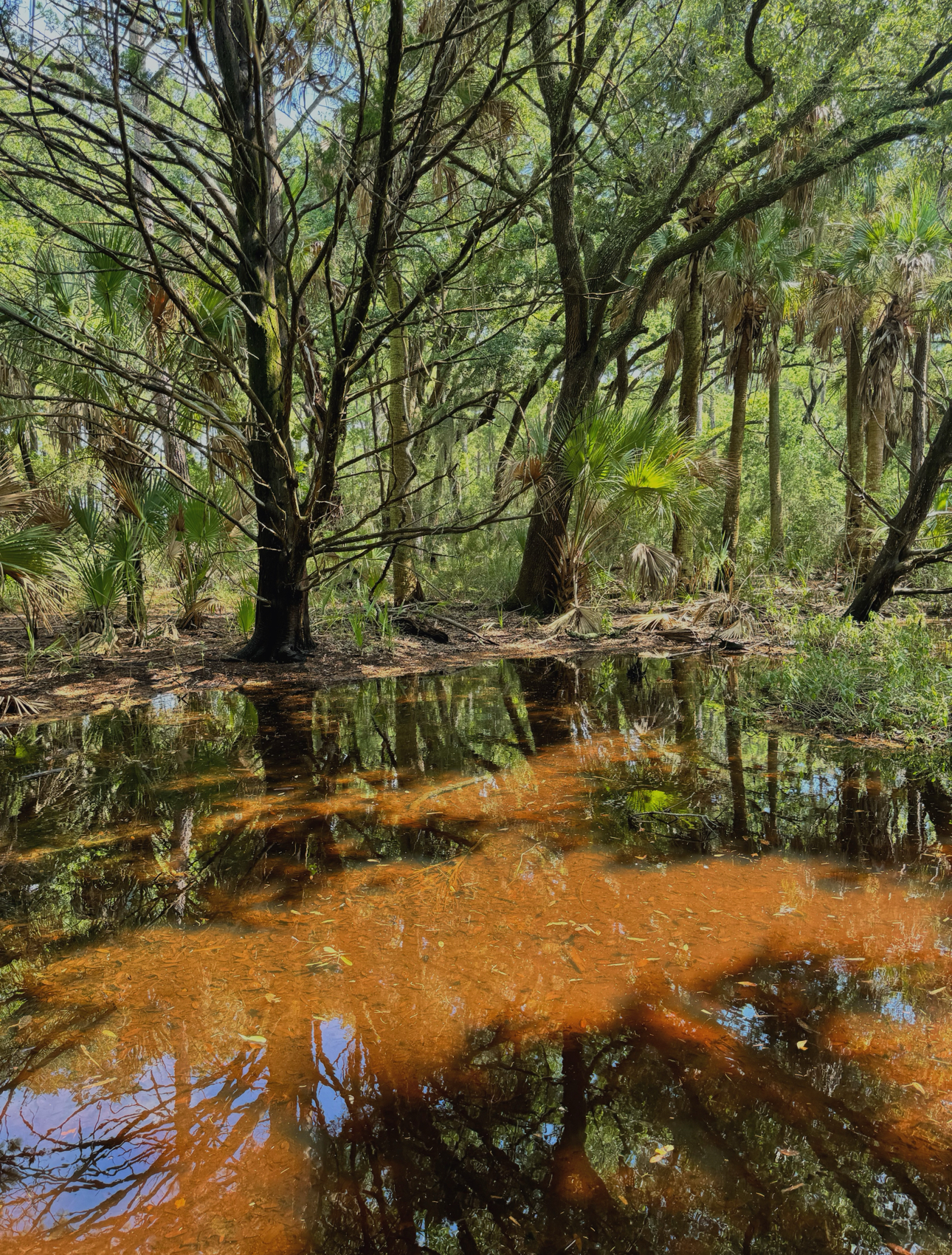
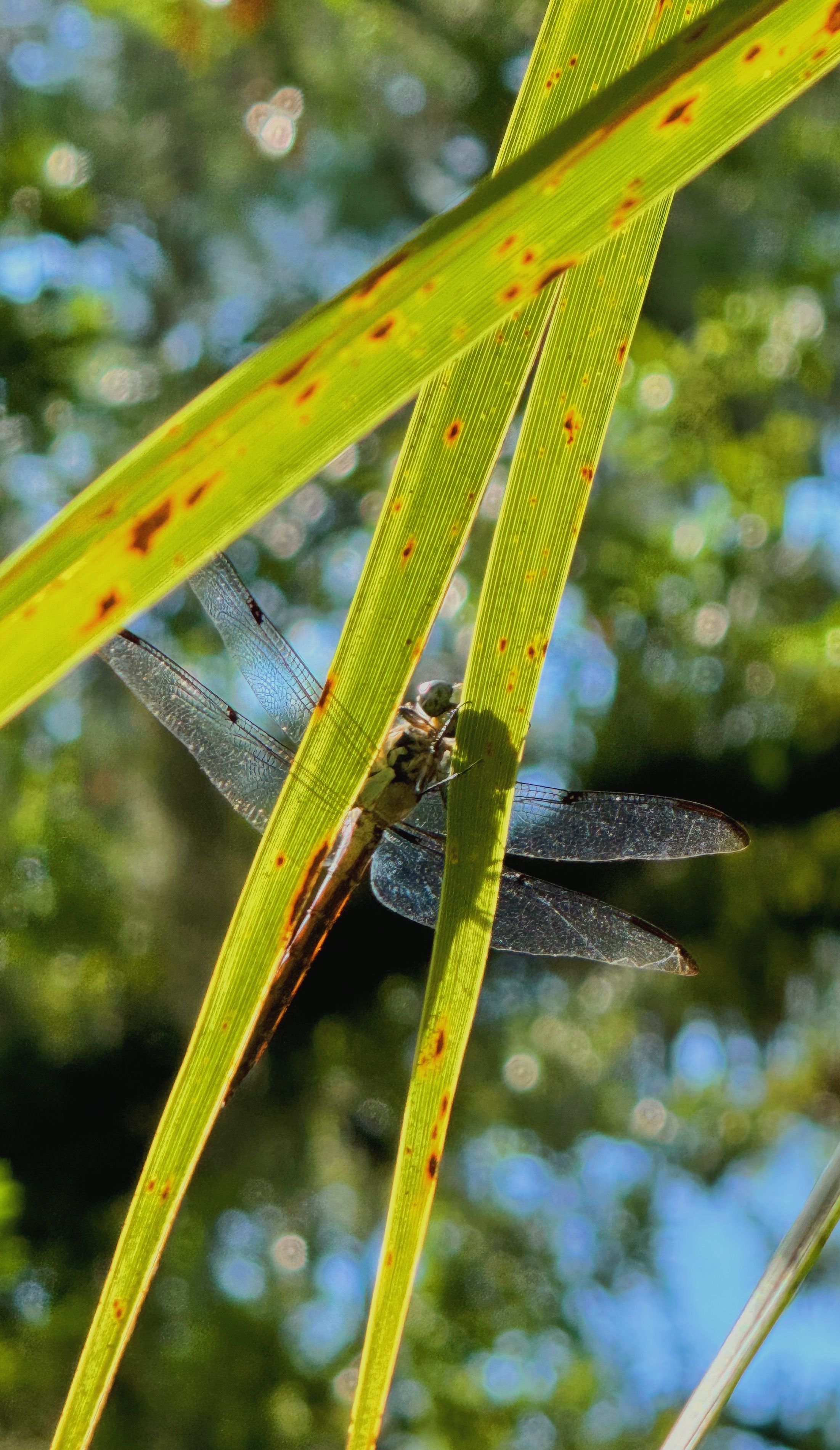
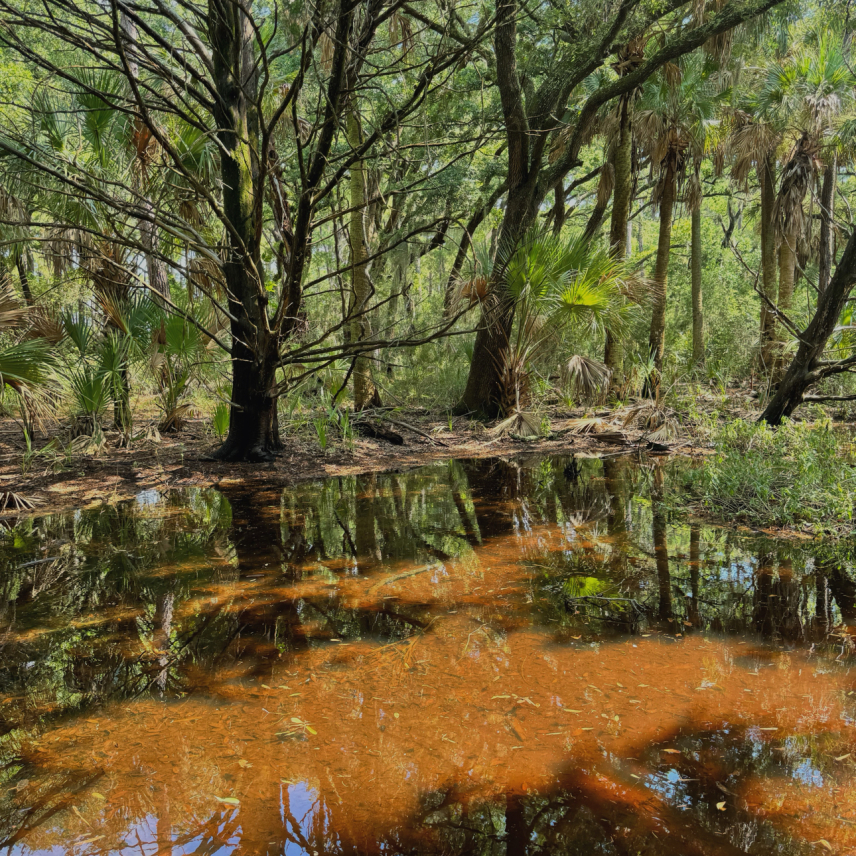
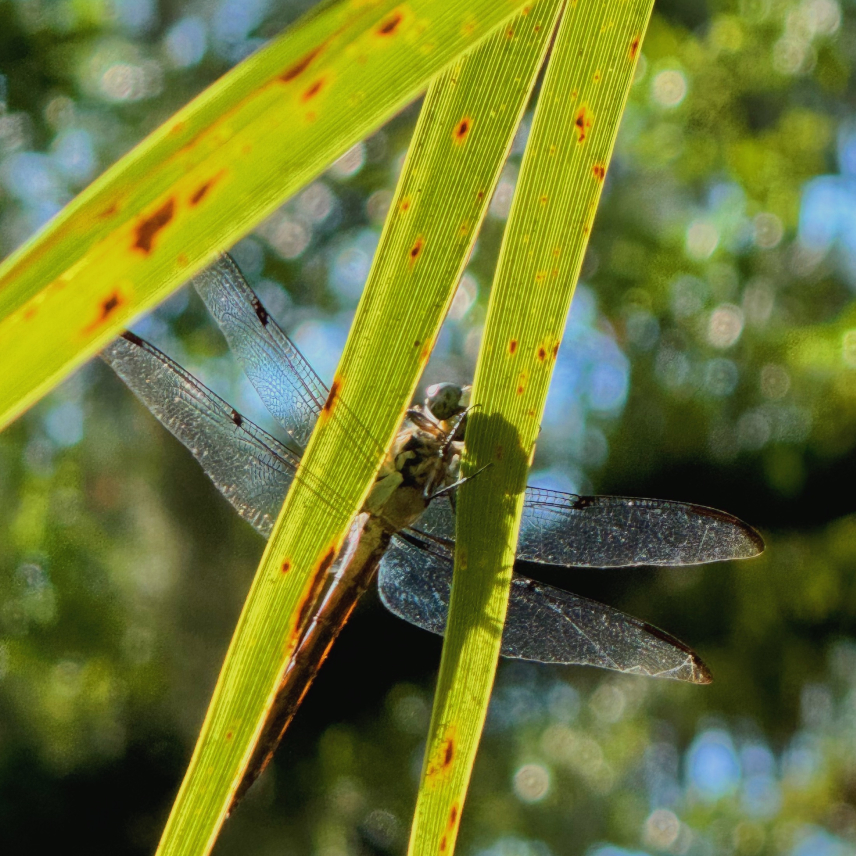
Ephemeral wetlands transition through wet and dry periods and are not obviously connected to other wetland habitats or waterways. However, they serve as breeding habitat for many amphibians and aquatic insects and play important roles in maintaining water quality and controlling erosion.
My internship experience
During my internship this summer, I documented water level and biological activity in ephemeral wetlands to show that wetlands can still be wetlands without being wet all of the time. I had field cameras aimed at stream gauges set up in two freshwater ephemeral wetland sites in the ACE Basin NERR. The field cameras were programmed to take two photos every hour for a seven-week period, and the images were combined into an informative timelapse to show the change in water level in these environments. I used these timelapses to develop an educational StoryMap for decision-makers in coastal South Carolina.
Water variation in ephemeral wetlands
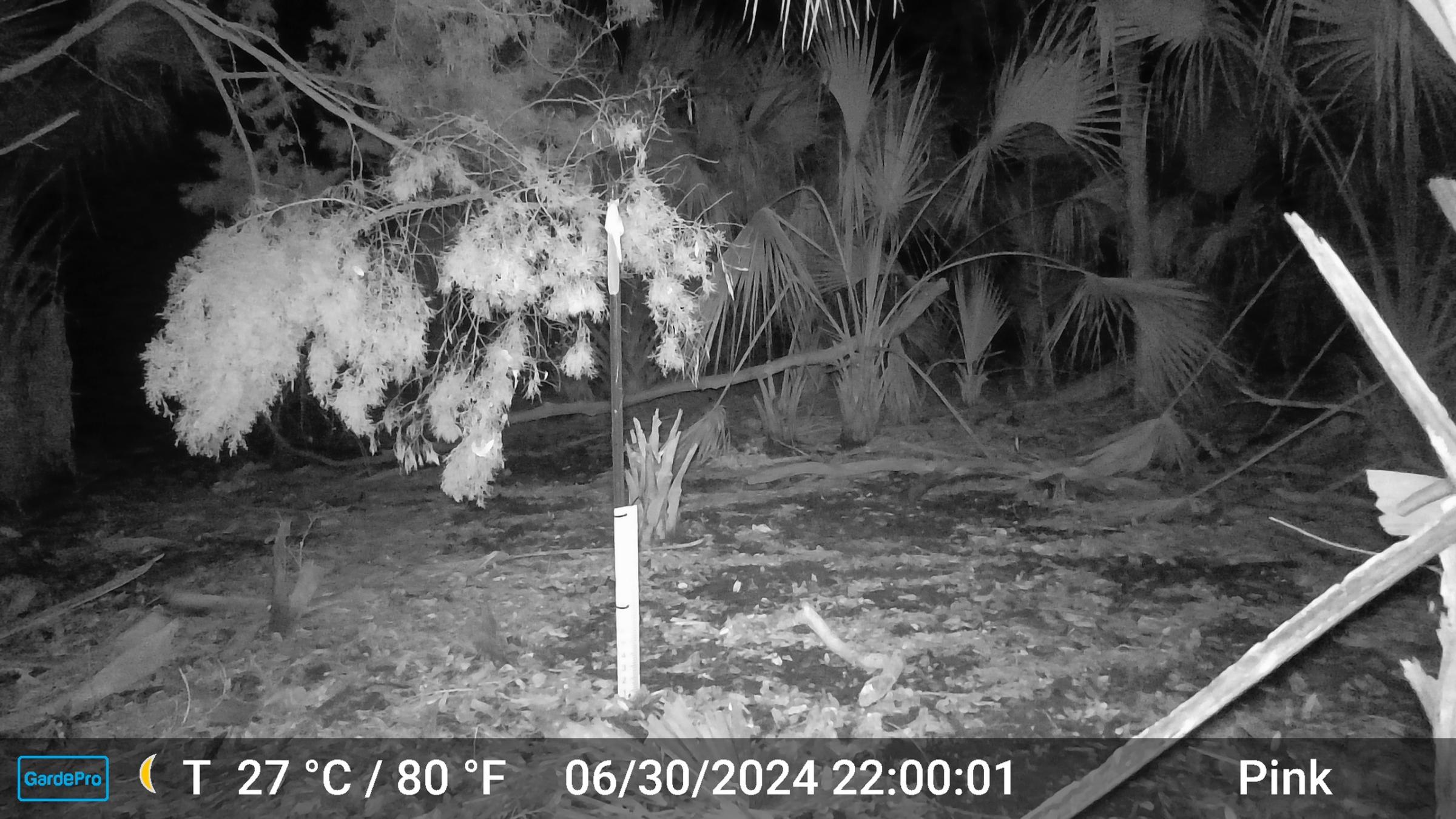
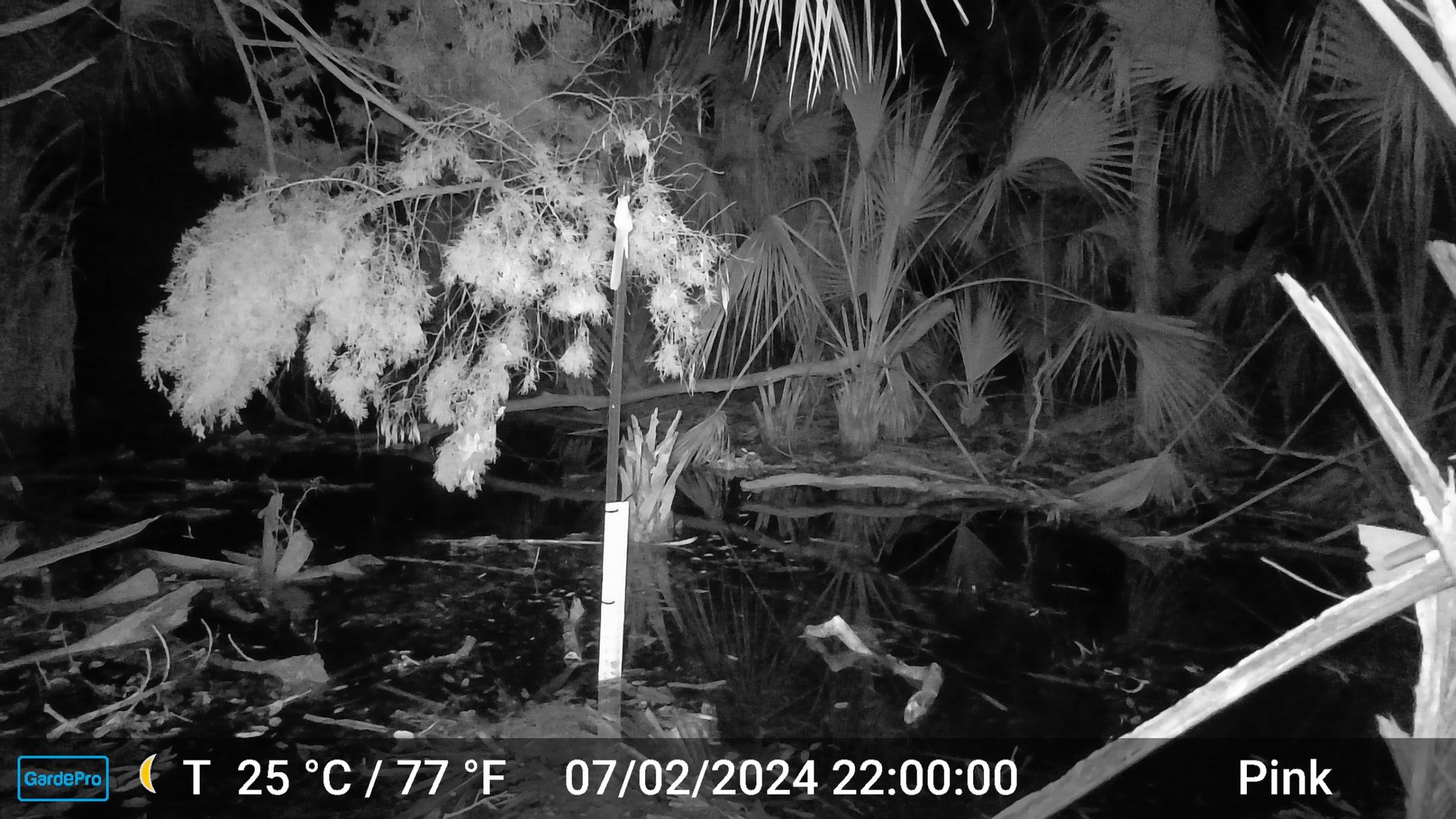
Two photos from Botany Bay Wildlife Management Area. In the left photo there is no water. In the right photo, there is approximately two inches of water.
Other opportunities
In addition to my project, I was able to participate in other field days and projects happening at the South Carolina Department of Natural Resources. During the summer, I joined the South Carolina Oyster Recycling and Enhancement (SCORE) program to construct Manufactured Wire Reefs (MWRs) where we shaped wire into oyster cages and added in recycled oyster shell and coconut fiber. Later on, I went out with SCORE to place these MWRs along Parris Island. These MWRs create a reef-life structure that spat, or baby oysters, are attracted to. Spat settle on the oyster shells in these wire cages, which create new oyster growth and eventually lead to new oyster reefs.
On the last day of my internship, I joined other SCDNR interns and staff members to help with an early morning sea turtle nest inventory on Edisto Beach. We released five loggerhead sea turtle hatchlings and examined the remaining unhatched and hatched eggs (Permit #MTP545). This was a truly amazing way to end my summer in Charleston!
Finding a path forward
I enjoyed my internship — from trekking through the woods to change the batteries and memory cards of my field cameras, to analyzing imagery for water level change, and creating my StoryMap. Throughout my time in coastal South Carolina interning with the ACE Basin NERR, I quickly came to understand how important my project is in the bigger picture of balancing environmental and economic factors.
My internship experience has made my path clear. After graduation, I hope to pursue a graduate degree in environmental studies and policy with a focus on coastal environments, and I would like to learn more about how science communication can influence environmental policies.
Jaida Rhea, 2023 Hollings scholar
Jaida is a 2023 Hollings scholar studying environmental studies at Goucher College.