
Using machine learning to identify penguins
Rose Leeger, a 2021 EPP/MSI scholar, spent her summer internship using machine learning to analyze drone imagery of penguin colonies with NOAA’s Antarctic Ecosystem Research Division.
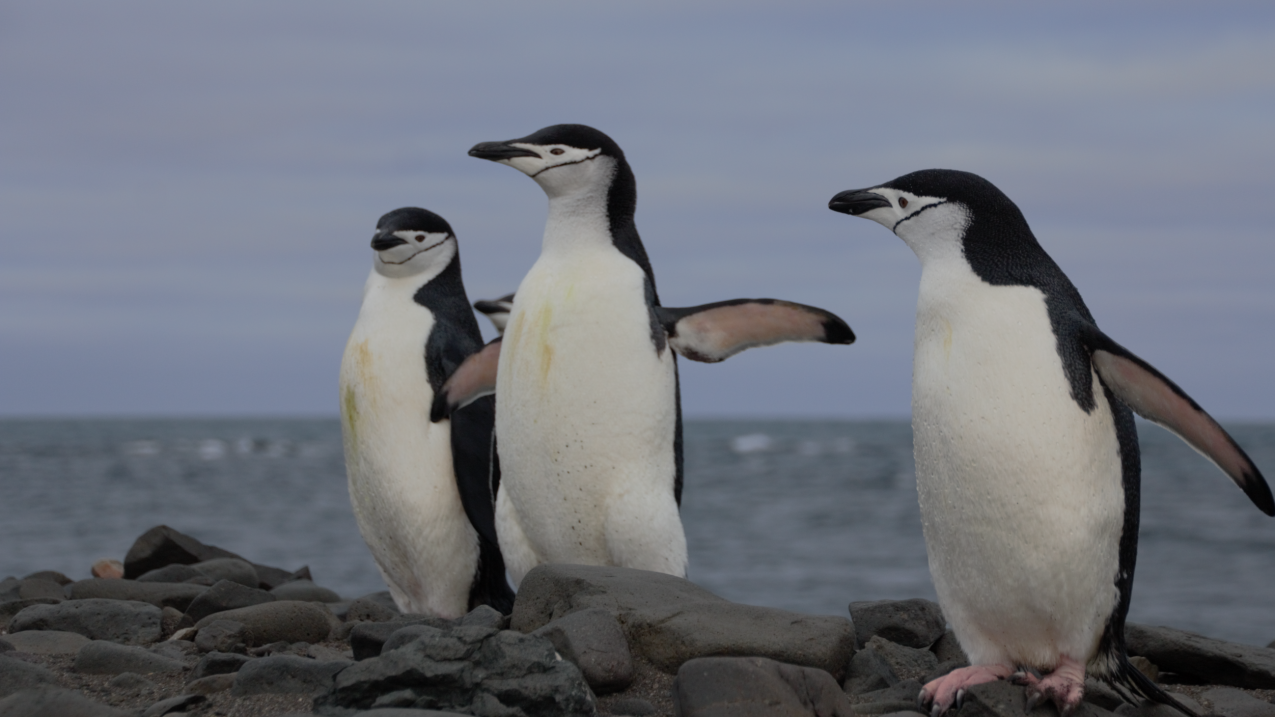
Chinstrap penguins at NOAA’s Antarctic field station at Cape Shirreff on Livingston Island. (Image credit: Sergio Morales)
Rose created new models to detect juvenile and adult penguins within colonies of Adélie and chinstrap penguins. She trained the model to identify the penguins using drone footage from NOAA’s two field stations offsite link, Cape Shirreff on Livingston Island and Cocobana on King George Island. Her progress towards developing a successful penguin chick identification model provides encouragement for future use of machine learning to monitor species in remote locations.
The EPP/MSI program has given me the opportunity to work alongside scientists that research an ecosystem I hold close to my heart: Antarctica. I’ve learned so much about the advanced technologies NOAA is utilizing to survey remote environments and am honored to be a part of the team this past summer.
After finishing her undergraduate studies in marine biology, environmental science, and biology at Nova Southeastern University, Rose plans to begin a Ph.D. program in the fall with plans of incorporating polar ecology into her dissertation work. She aspires to become a professor at a university inspiring future generations to conserve marine environments.
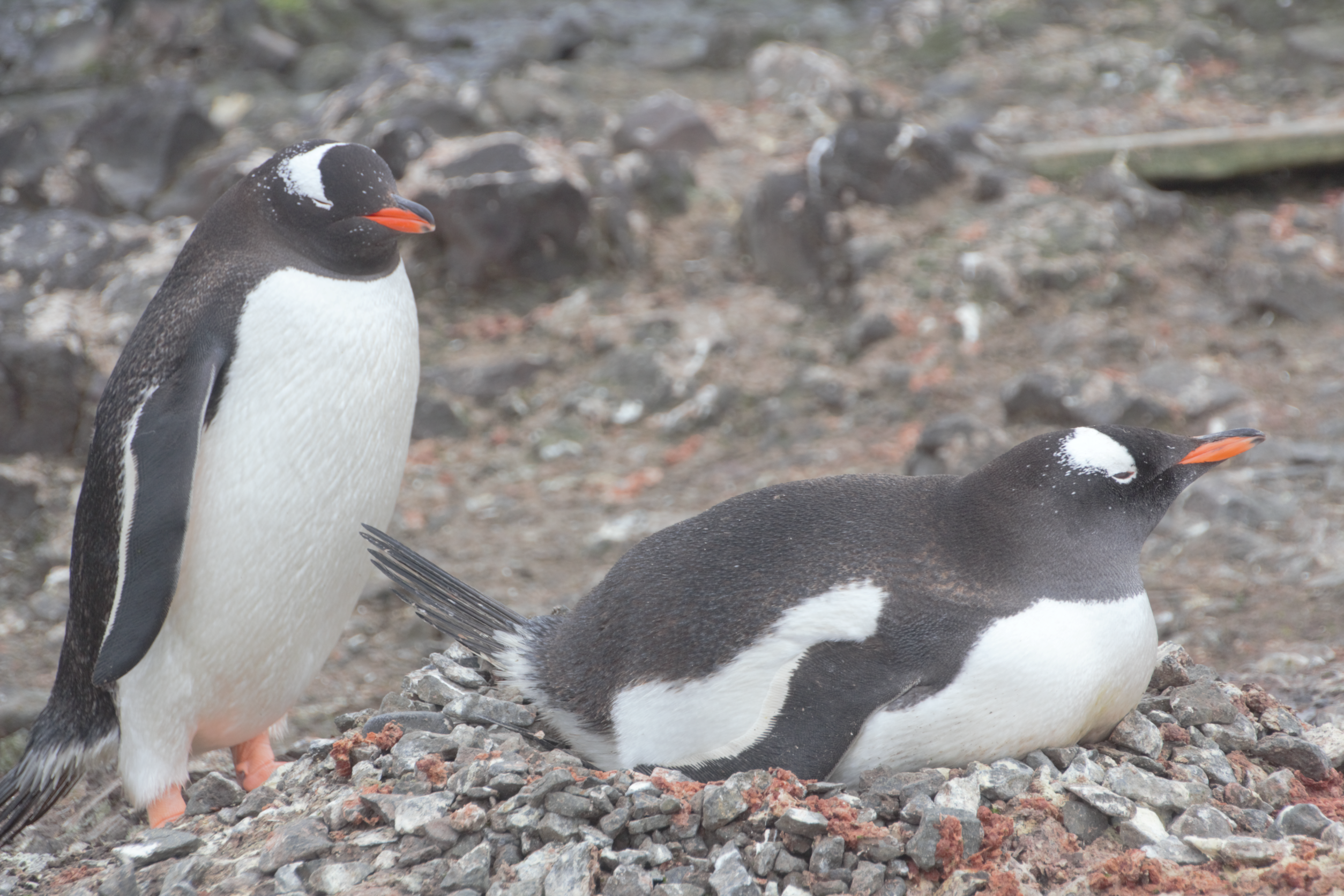
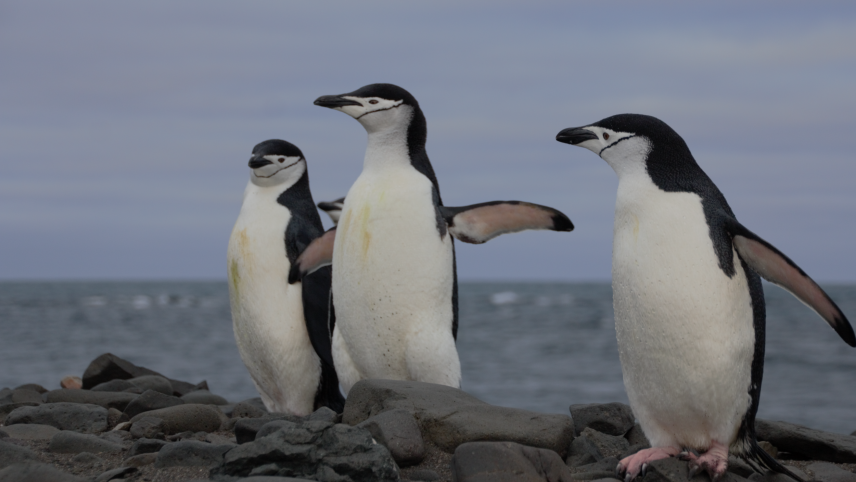
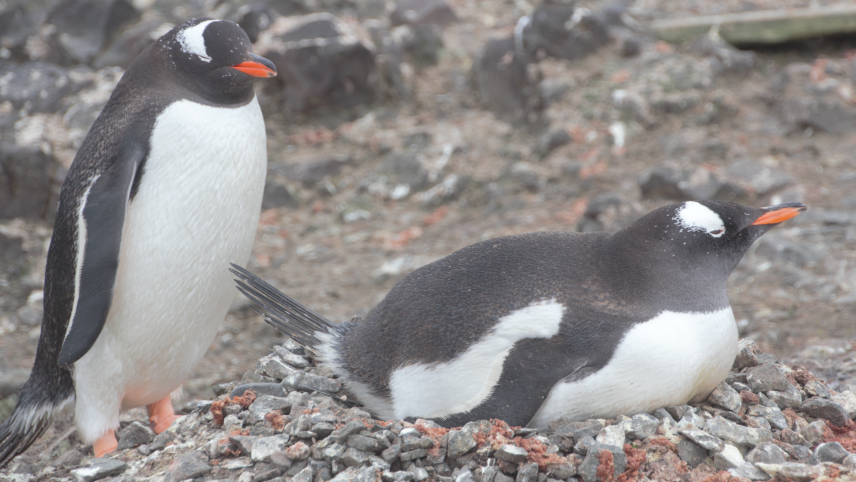
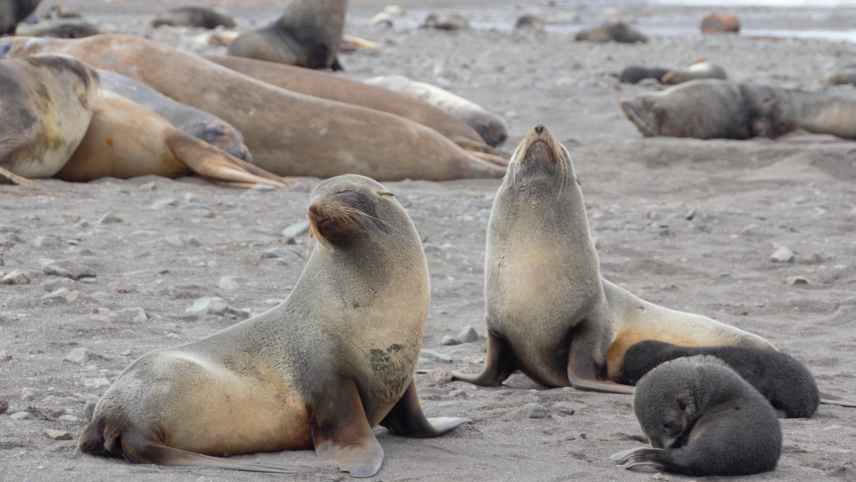
Rose's favorite images from her colleagues in Antarctica
Rose Leeger is a 2021 EPP/MSI scholar studying marine biology, environmental science, and biology at Nova Southeastern University.