  • Home
  • Weather
  • Climate
  • Ocean & Coasts
  • Fisheries
  • Satellites
  • Research
  • Marine & Aviation
  • Charting
  • Sanctuaries
  • Education
  • News and features
  • Tools & resources
  • About our agency
U.S. flag

An official website of the United States government

Here’s how you know

Dot gov

Official websites use .gov
A .gov website belongs to an official government organization in the United States.

HTTPS

Secure .gov websites use HTTPS
A lock (LockA locked padlock) or https:// means you’ve safely connected to the .gov website. Share sensitive information only on official, secure websites.

Find your local weather
Change location:
  • News
  • Tools
  • About
 
 
NOAA mobile logo
NOAA logo National Oceanic and Atmospheric Administration U.S. Department of Commerce


Breadcrumb

  1. Home
  2. Climate
  • Climate home
  • Climate 101
  • Collaborations and partnerships
  • Funding opportunities
  • Tools and resources
  • News and stories

Climate news and stories

Share:
Share to Twitter Share to Facebook Share by email Print
Climate.gov news and features
Drought.gov news
Heat.gov news and events
U.S. had a mild May and unusually warm Spring 2020
June 8, 2020
Heavy rainfall led to record flooding in parts of the nation
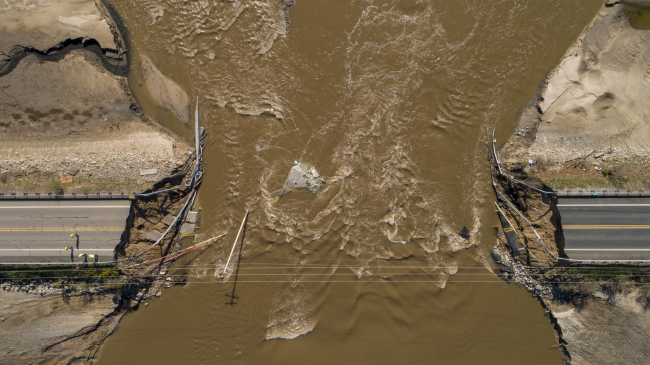
Michigan’s Bay Region sustained an unprecedented flooding event beginning May 19, 2020, following several days of heavy rain and multiple dam failures. At its peak, more than 20 state trunkline and local bridges were impacted by flooding, resulting in immediate closures to protect the motoring public. More than 10,000 households were evacuated in Midland County over a 24-hour period. Between May 19 and 26, five Michigan counties were declared to be a state of emergency (Midland, Gladwin, Saginaw,
Rise of carbon dioxide in Earth's atmosphere continues unabated
June 4, 2020
Seasonal peak reaches 417 parts per million at Mauna Loa observatory
Atmospheric carbon dioxide measured at NOAA’s Mauna Loa Atmospheric Baseline Observatory peaked for 2021 in May at a monthly average of 419 parts per million (ppm), the highest level since accurate measurements began 63 years ago, according to scientists from NOAA and Scripps Institution of Oceanography at the University of California San Diego. (2019 photo of observatory grounds, Big Island, Hawaii.)
NOAA monthly U.S. and global climate report call is May 22
May 20, 2020
Experts recap April and provide the U.S. summer outlook
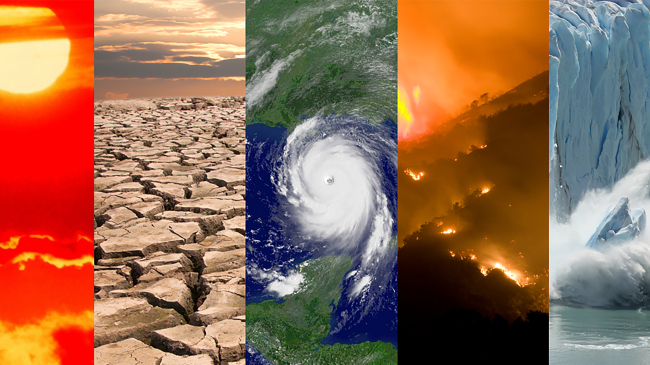
A collage of typical climate and weather-related events: heatwaves, drought, hurricanes, wildfires and changes in sea ice coverage.
April 2020 was Earth’s 2nd hottest April on record
May 13, 2020
A collage of typical climate and weather-related events: heatwaves, drought, hurricanes, wildfires and changes in sea ice coverage.
‘Near-average’ April was marked by deadliest tornado outbreak in 6 years
May 6, 2020
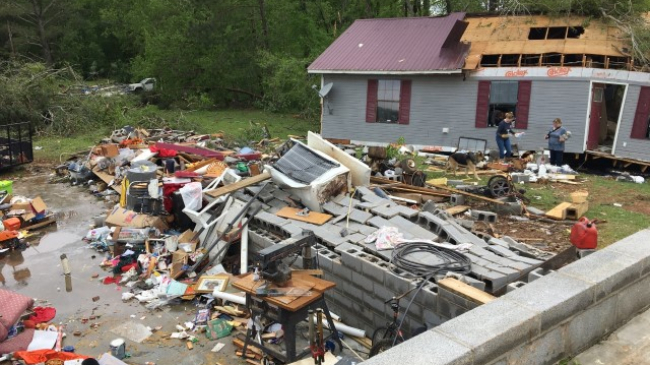
NOAA meteorologists took this photo of a home in Oneanota, Alabama, that was destroyed by a deadly tornado outbreak that tore across the U.S. South and Southeast on April 12-13, 2020. It was the deadliest outbreak since 2014 and one of several in April 2020.
Q&A: Climate expert on what tiny plankton can tell us about the ocean, past & present
May 1, 2020
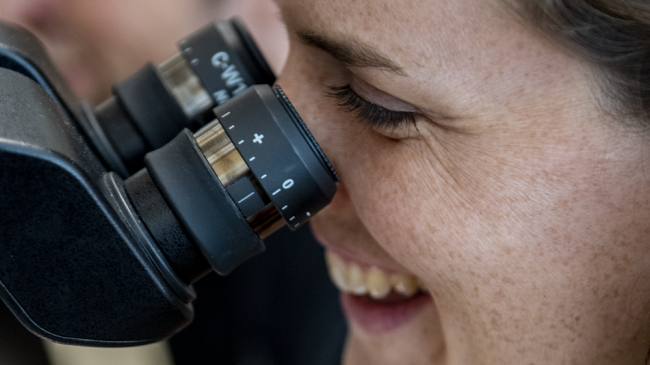
Marine climate scientist Katherine Allen in the lab using a microscope as part of her marine research.
Spring 2020 brings rare ozone 'hole' over the Arctic
April 29, 2020
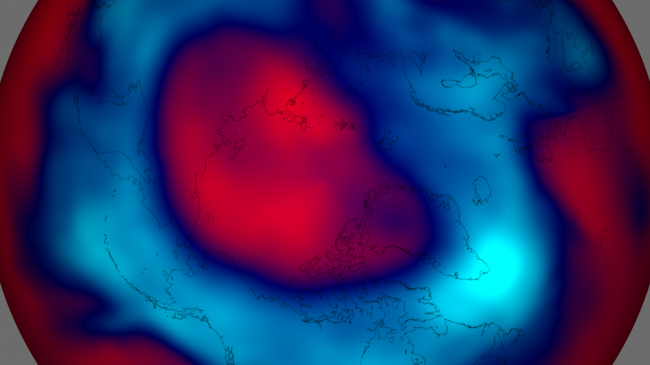
NOAA satellites observed an ozone hole developing over the Arctic March 10, 2020. In this snapshot, places where ozone amounts are less than 280 Dobson Units are shown in red.
Q&A: Meet NOAA's chief climate monitoring scientist Deke Arndt
April 21, 2020
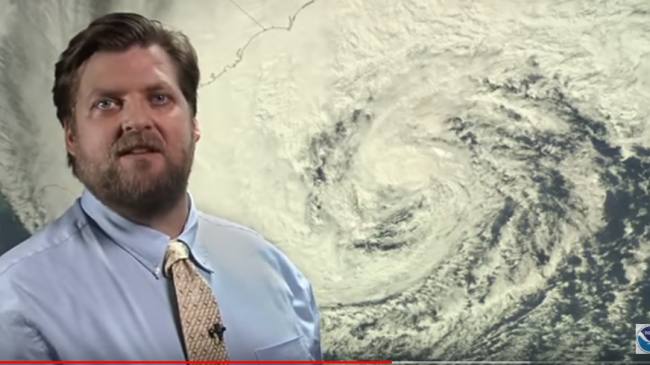
Deke Arndt is the chief of NOAA's Climate Monitoring Section, located in Asheville, NC.
NOAA monthly U.S. and global climate report call is April 16
April 13, 2020
Experts recap March and provide outlooks through July 2020
A collage of typical climate and weather-related events: heatwaves, drought, hurricanes, wildfires and changes in sea ice coverage.
Earth had its 2nd-hottest March on record
April 13, 2020
The year to date also ranked 2nd-warmest for the globe
A collage of typical climate and weather-related events: heatwaves, drought, hurricanes, wildfires and changes in sea ice coverage.
  • Go to first pageFirst
  • Go to previous pagePrevious
  • …
  • Page 34
  • Page 35
  • Page 36
  • Page 37
  • Currently on page 38
  • Page 39
  • Page 40
  • Page 41
  • Page 42
  • …
  • Go to next pageNext
  • Go to last pageLast
View all
Last updated December 4, 2024
Have a comment on this page? Let us know.
NOAA Home
Science. Service. Stewardship.
  • News
  • Tools
  • About
  • Resources for Tribal & Indigenous Communities
  • Bipartisan Infrastructure Law (BIL)
  • Inflation Reduction Act (IRA)
  • Protecting Your Privacy
  • FOIA
  • Information Quality
  • Accessibility
  • Guidance
  • Budget & Performance
  • Disclaimer
  • EEO
  • No-Fear Act
  • USA.gov
  • Ready.gov
  • Employee Check-In
  • Staff Directory
  • Contact Us
  • Need Help?
  • COVID-19 hub for NOAA personnel offsite link
  • Vote.gov
Stay connected to NOAA
NOAA on Twitter NOAA on Facebook NOAA on Instagram NOAA on YouTube
Back to top